The Real Benefits of Custom-Made Furniture
Standard furniture comes in fixed steps. Your room does not. That gap between catalogue sizes and real-world geometry is where custom-made furniture earns its place - not as a luxury, but as a practical answer to walls that do not run straight, niches that match no standard width, and ceiling heights that fall between two catalogue options. This guide breaks down what you actually gain when a piece is built to your measured dimensions rather than the nearest available size - in centimetres, years of use, and honest cost per year.
Compare how oak, beech and ash take the same stain differently - the materials view in the configurator shows the result on your actual configured piece before you commit.
The core benefits of custom-made furniture are a precise fit to your room geometry, full control over materials and finish, and a longer service life that is repairable rather than disposable. Manufaktur X builds each piece from powder-coated steel and solid oak, beech or ash, configured online with a live fixed price and produced in the EU in 5-6 weeks.
Quick summary
- A precise fit turns dead corners and filler gaps into usable storage and living space - particularly valuable in period apartments and attic conversions where walls rarely follow a straight line.
- You specify every material: powder-coated S235JR steel in any RAL colour, plus solid oak, beech or ash from certified European forestry.
- The higher purchase price reflects material volume, dimensioning and finish work - not a scarcity premium. Judged as cost per year of use, a repairable hardwood-and-steel piece frequently undercuts two or three flat-pack replacements.
- Modular furniture combines predefined components. Custom-made furniture fabricates each part to your measured dimensions. Only the second eliminates the fit compromise entirely.
- Every Manufaktur X piece is configured in a live 3D tool with an instant fixed price, produced in the EU and delivered in 5-6 weeks.
Key takeaways at a glance
| Insight | What it means for you |
|---|---|
| Fit is the foundation | Every other advantage - recovered space, visual coherence, longevity - follows from fabricating to your measured room geometry rather than the closest catalogue size. |
| Material choice is a decision, not a default | You select wood species, stain, sheen, steel profile and RAL colour before production starts. Table and bench tops are available in solid glued boards or seamless veneer - stated transparently from the outset. |
| Repairability changes the cost equation | Oiled solid-wood surfaces can be spot-sanded and re-oiled at home. Steel frames stay structural for decades. Cost per year of use is the honest metric, not the sticker price. |
| Modular is not the same as custom-made | Modular systems rearrange fixed components. True custom fabrication builds every part to your exact dimensions - a fundamentally different process. |
Fit first: the advantage that drives all the others
Every other benefit of custom-made furniture - better use of space, visual coherence, longer lifespan - flows from a single upstream decision: building to your measured geometry instead of the nearest standard size. Off-the-shelf furniture arrives in round-number steps (60, 80, 120, 200 cm); real rooms follow no such grid. A period apartment may have a wall niche at 113 cm, a new-build might offer a 47 cm gap between a doorframe and a radiator, and an attic room with a sloped ceiling rules out any standard upright piece entirely. Each of those situations has a clean solution only if the furniture is fabricated to fit it.
How much space are you actually losing?
Before buying anything, walk through one room with a tape measure and note every gap, every filler panel, every corner a standard unit could not reach. Roughly a third of the measurement sheets we receive from customers in older buildings include at least one wall segment or niche that no catalogue size matches within 10 cm (first-hand Manufaktur X production data). A 20 cm shortfall beside a shelf, a 12 cm dead zone behind a unit pushed forward by skirting boards, a 47 cm recess left empty because nothing standard fits. Add those figures up and half a square metre of floor area is often doing nothing. A piece built to those exact numbers puts every centimetre back to work.
European apartments and the geometry problem
Across Europe, housing stock spans several centuries of construction methods. A pre-war apartment in a city centre will have walls that have settled, been plastered, re-plastered and occasionally straightened - but rarely to a true vertical. A 1970s concrete-frame block may have standard room widths on paper that vary by 3-4 cm between floor and ceiling once the tiles and plaster are in place. An attic conversion will have a sloped ceiling that makes every standard bookcase a guessing game. Custom fabrication addresses all of these because the piece is designed from your actual measured points, not from an assumed straight line.
One continuous piece instead of a row of compromises
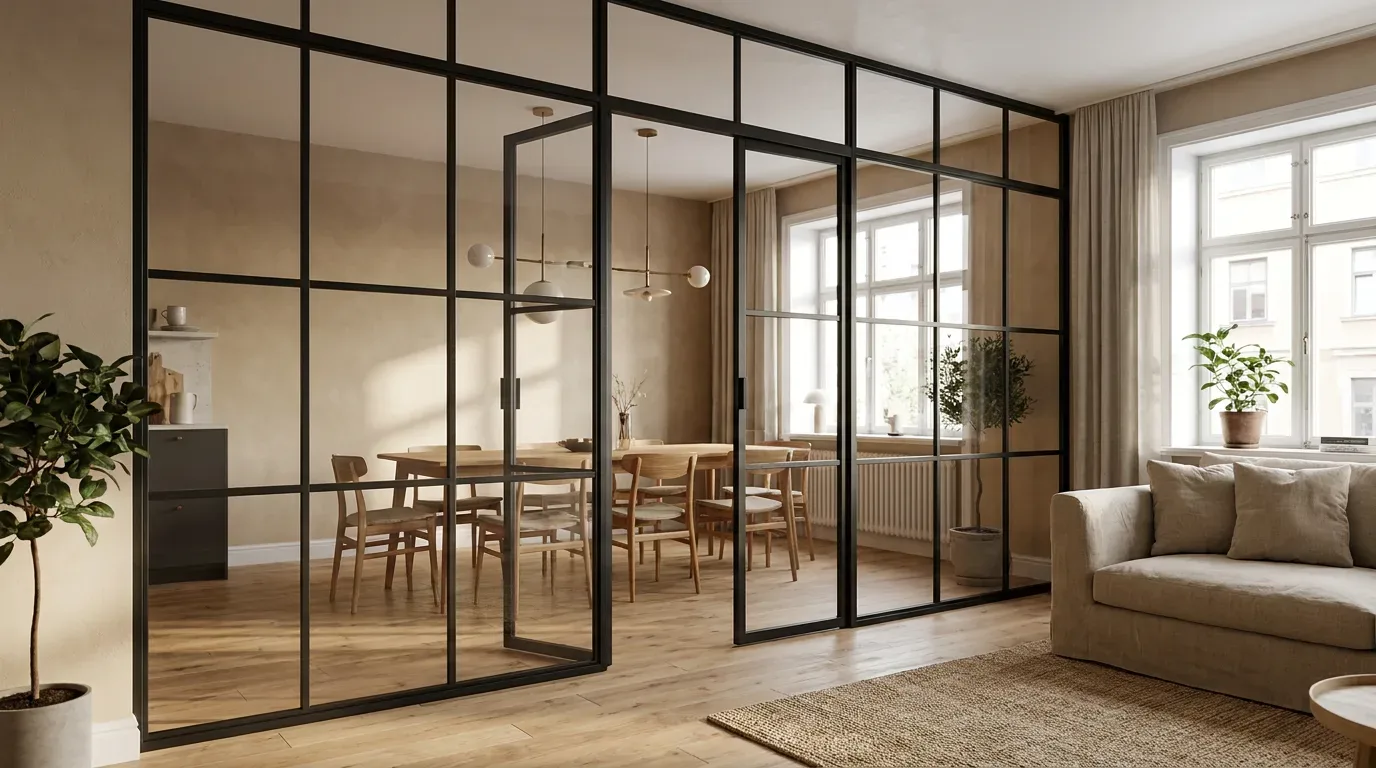
The visual gain is just as measurable: a single fabricated unit spanning the full wall reads as architecture, while a row of near-fitting modules with filler panels reads as exactly what it is - a workaround. Your eye finds the seams and mismatched reveals immediately. A steel-and-hardwood build at the exact width of your wall removes those joints, and with them the dust traps that accumulate between separate modules.
Materials you choose rather than inherit
With standard furniture, the manufacturer fixed every material decision months before the piece reached a showroom. With custom-made furniture, those decisions are yours - steel profile and RAL colour, wood species, stain, sheen, and the construction of the top. Three layers determine how a piece looks, how it ages, and what it costs to maintain.
Powder-coated structural steel frames
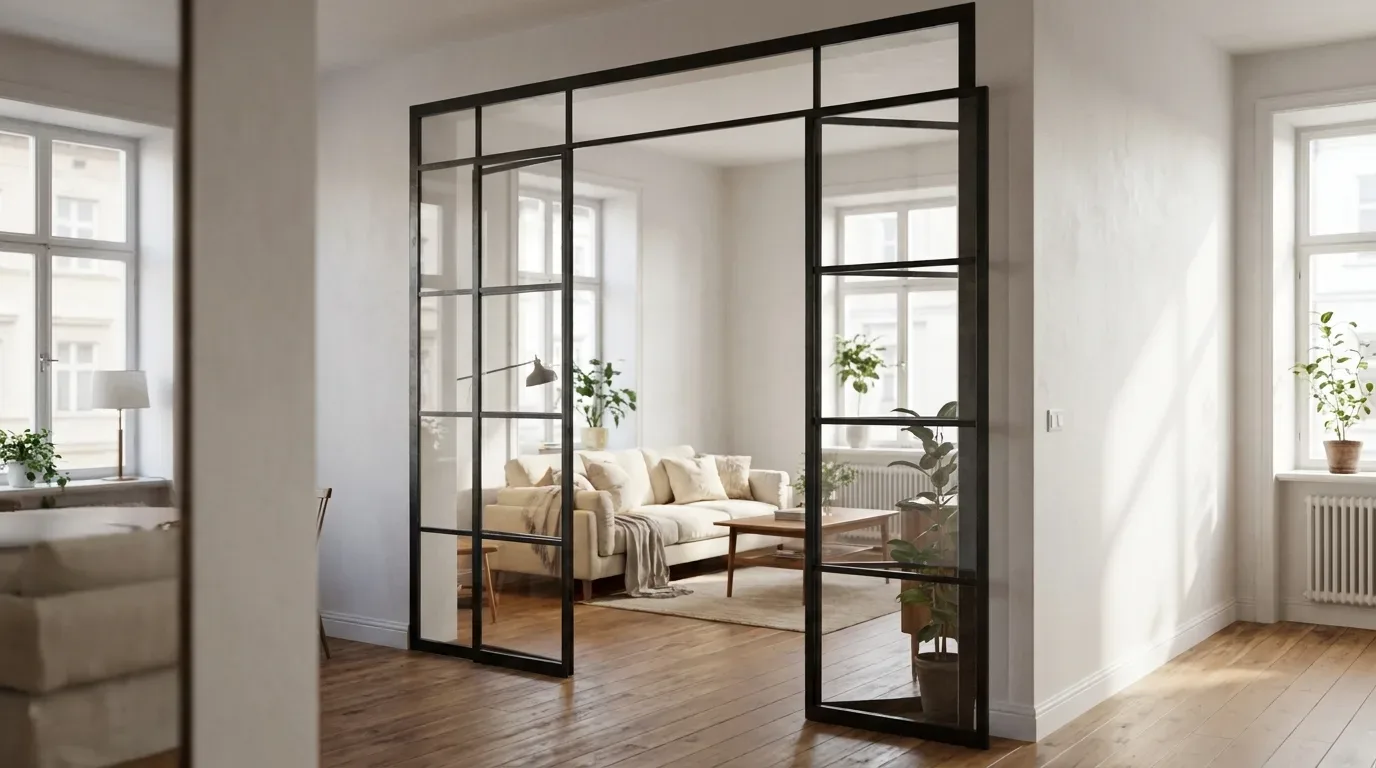
Frames are welded from S235JR structural steel, the grade defined in EN 10025 with a yield strength of 235 N/mm² (Source: EN 10025 via DIN) - sufficient load capacity to carry a thick hardwood top or fully loaded shelf boards across spans from 150 to 300 cm without flex. Powder coating per EN 13438 seals the surface and delivers an even, scratch-resistant finish in any RAL colour - from deep matte black to soft greys and greens. Unlike liquid paint, powder coating does not pool at edges or run during application, so the colour is consistent across every weld and profile.
Solid oak, beech and ash - and when veneer is offered
Three species, clearly mapped. Tops for a dining table sized to your room, a coffee table or a bench come either as Leimholz - solid glued boards, real wood throughout - or as seamless veneer for a calmer surface with no visible glue joints. Shelf boards follow a different rule: on the large shelf and the pipe shelf with solid-wood boards, every board is always solid hardwood - no veneer, no chipboard. All three species take any of 50+ stains in matt or silk sheen.
Certified European hardwoods and low-emission finishes
The oak, beech and ash come from certified European forestry - PEFC or FSC chain of custody - and glued components meet formaldehyde class E1. Low-VOC oil finishes are the default. For a piece that stands in your living space for a decade or more, what evaporates from the surface during the first months matters as much as what it holds structurally.
EN 1534 defines the Brinell indentation test used across Europe to compare wood surface hardness; dense hardwoods such as solid oak reach values around 34 N/mm², roughly double what common softwoods achieve.
In my loft projects I deliberately choose which materials I use rather than simply accepting what is available. That ownership is what separates ordinary industrial spaces from extraordinary ones.
Lukas Brandt
Interior Architect, Munich
Is custom-made furniture worth the higher price?
The honest answer depends on which number you use as the denominator. Judged by the sticker price alone, custom-made furniture costs more. Judged by cost per year of use - which is the more useful figure for a structural piece in your home - the calculation often reverses. The premium has three transparent components, all of them visible in the configurator the moment you adjust a dimension.
Where the cost actually comes from
Material volume is the largest driver: a 240 cm hardwood top simply contains more raw material than a 160 cm one, and oak is denser and dearer than beech, with ash between the two. Dimensioning is the second factor - a size that falls outside the common production grid requires individual cutting plans and generates more offcut. Third is finish labour: each of the 50+ stains and every sheen level adds curing hours before a surface may leave the workshop. None of these is a scarcity markup. All of them are measurable.
The cost-per-year argument
Divide the purchase price by the realistic service life of the piece - including one refinish cycle - and the picture shifts. A solid hardwood seat on a powder-coated steel frame, say a bench sized to your table and wall, can be re-sanded and re-oiled rather than replaced. Its lifecycle cost spreads across decades. Veneered chipboard cannot absorb a second life once the surface layer wears through; disposal becomes the only option, and the replacement cost starts the clock again. IKEA's standard product range is excellent value at the point of purchase, but the replacement cycle - rather than any fault in the product - is what makes cost-per-year comparisons favour repairable hardwood builds over time.
A fixed price, shown live, no back-and-forth
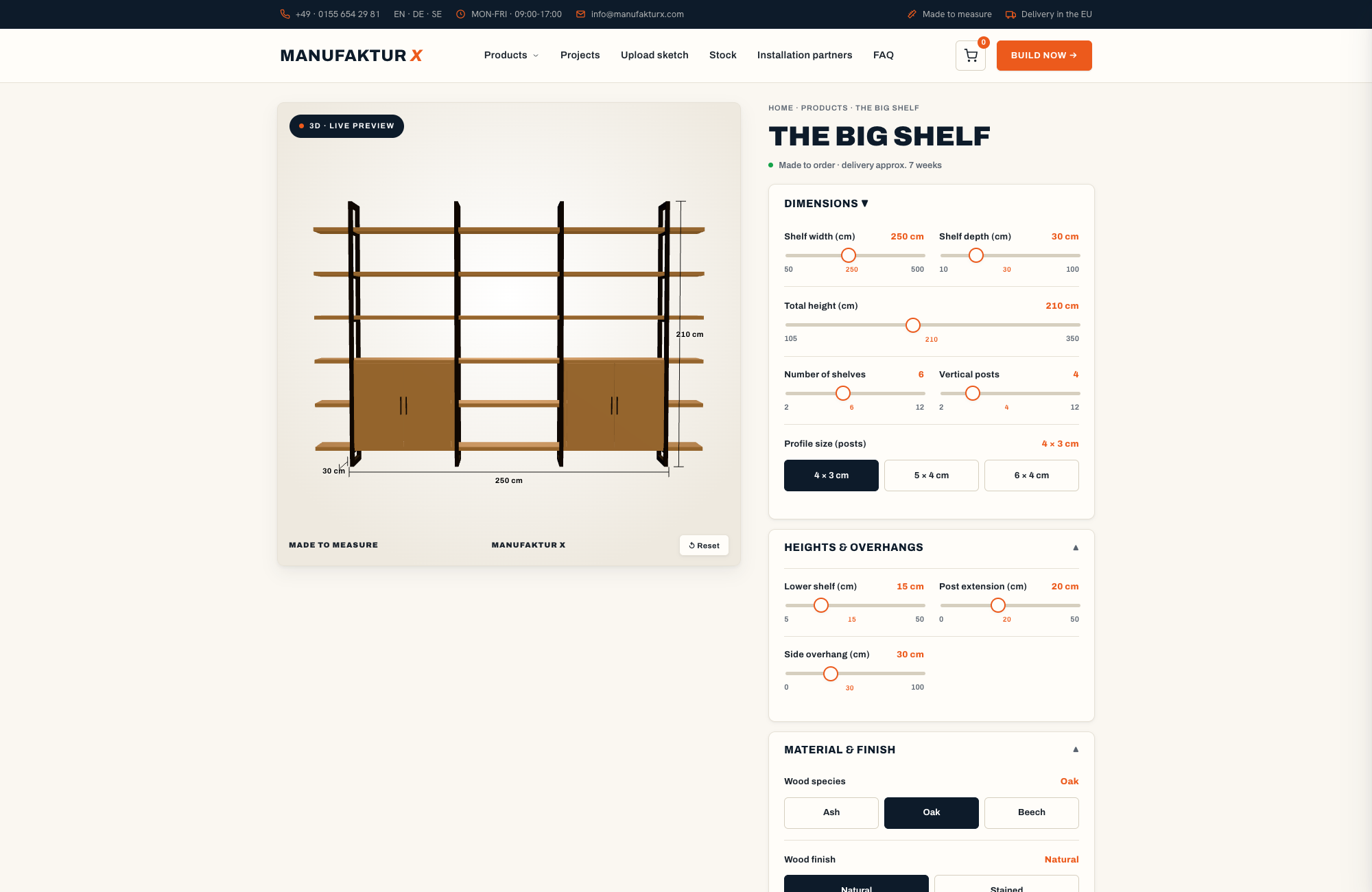
Every dimension change updates the fixed price in real time in the 3D configurator - no quote request, no callback, no showroom visit required. Direct-from-manufacturer pricing means no retail margin sits between you and the workshop. You can configure three sizes on a Tuesday evening and know exactly what each one costs before Wednesday morning.
| Product | From | Note |
|---|---|---|
| Lofttür | 1.157 € | Lowest possible option |
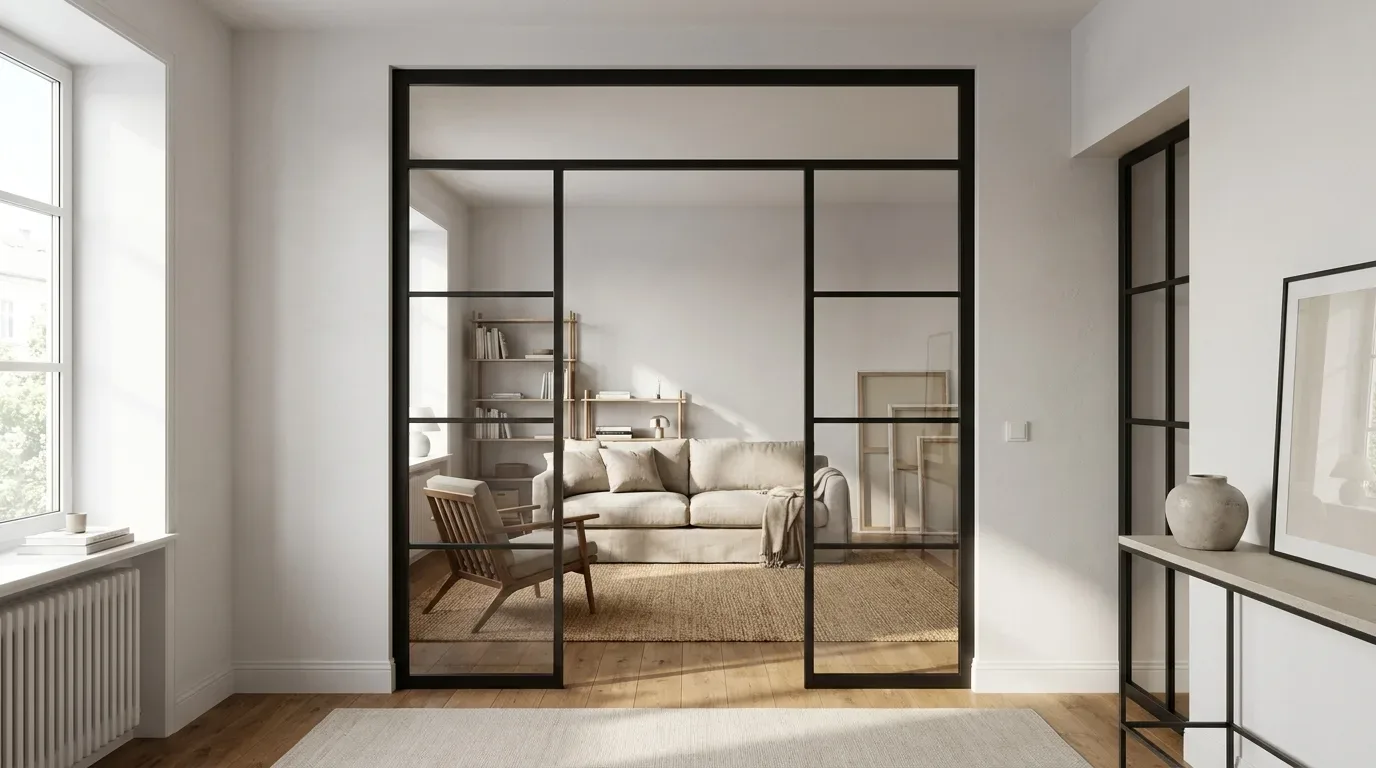
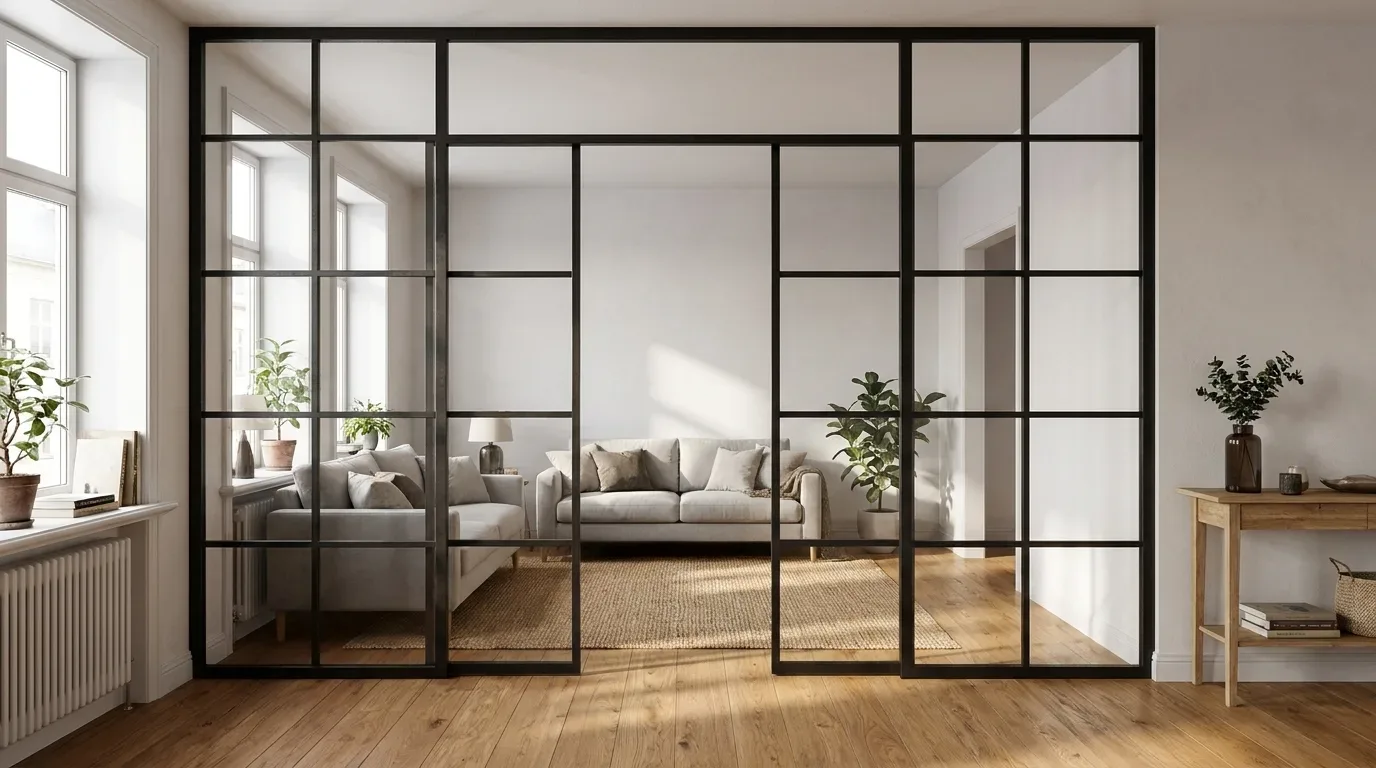
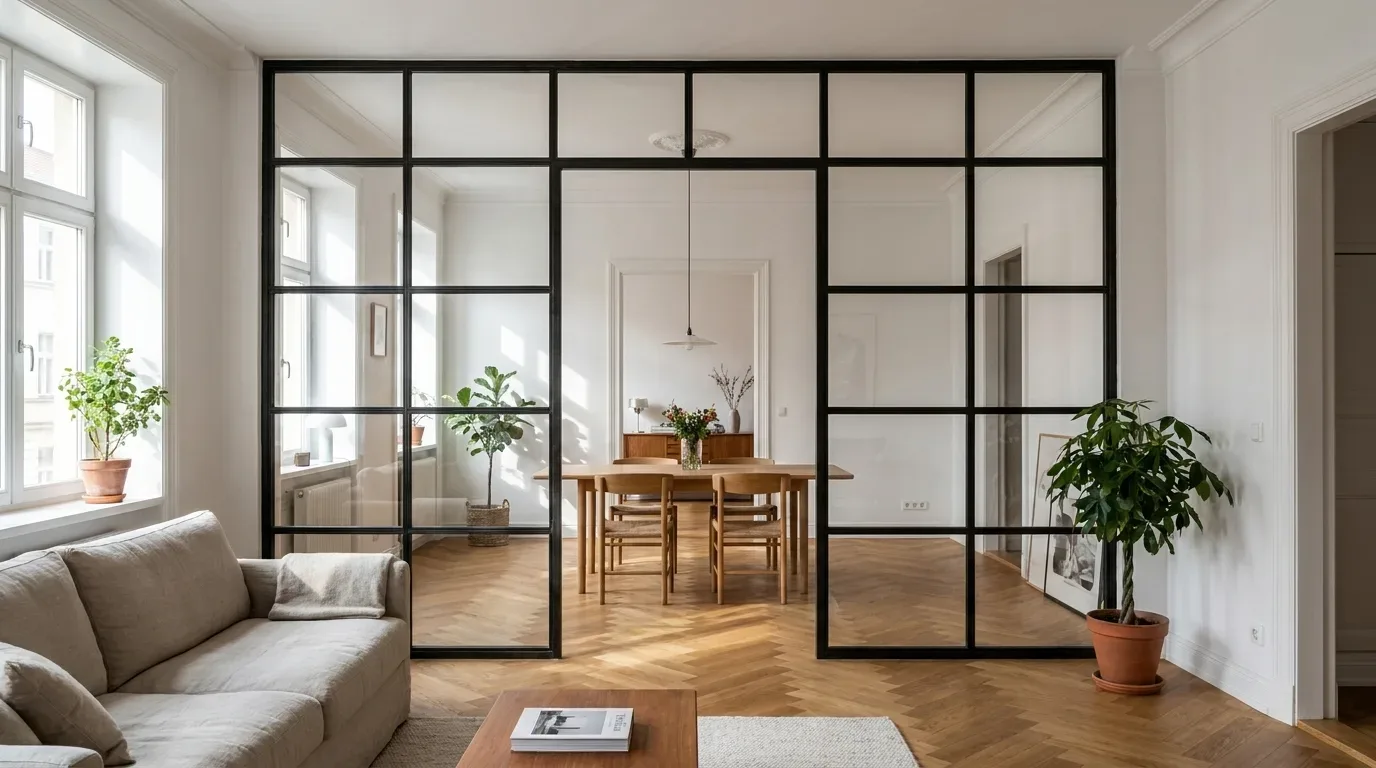
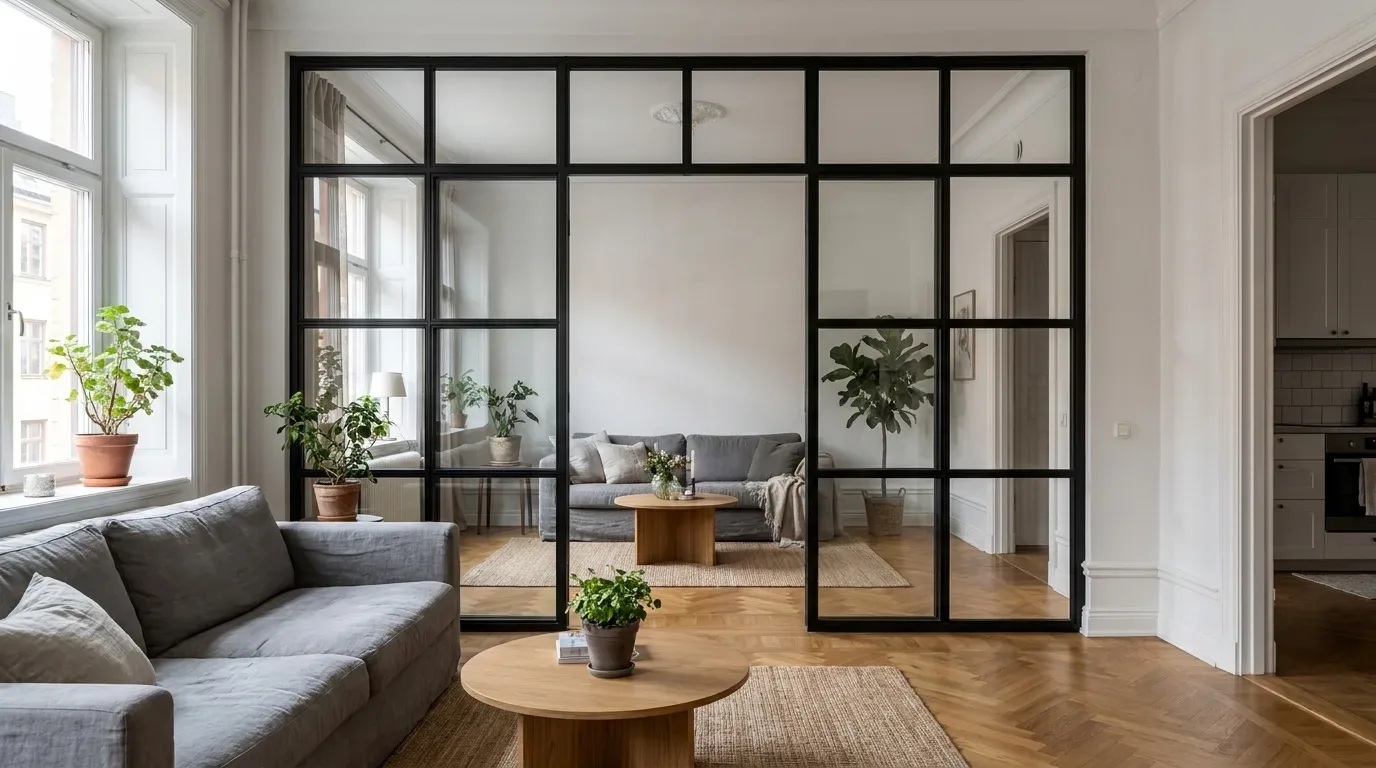
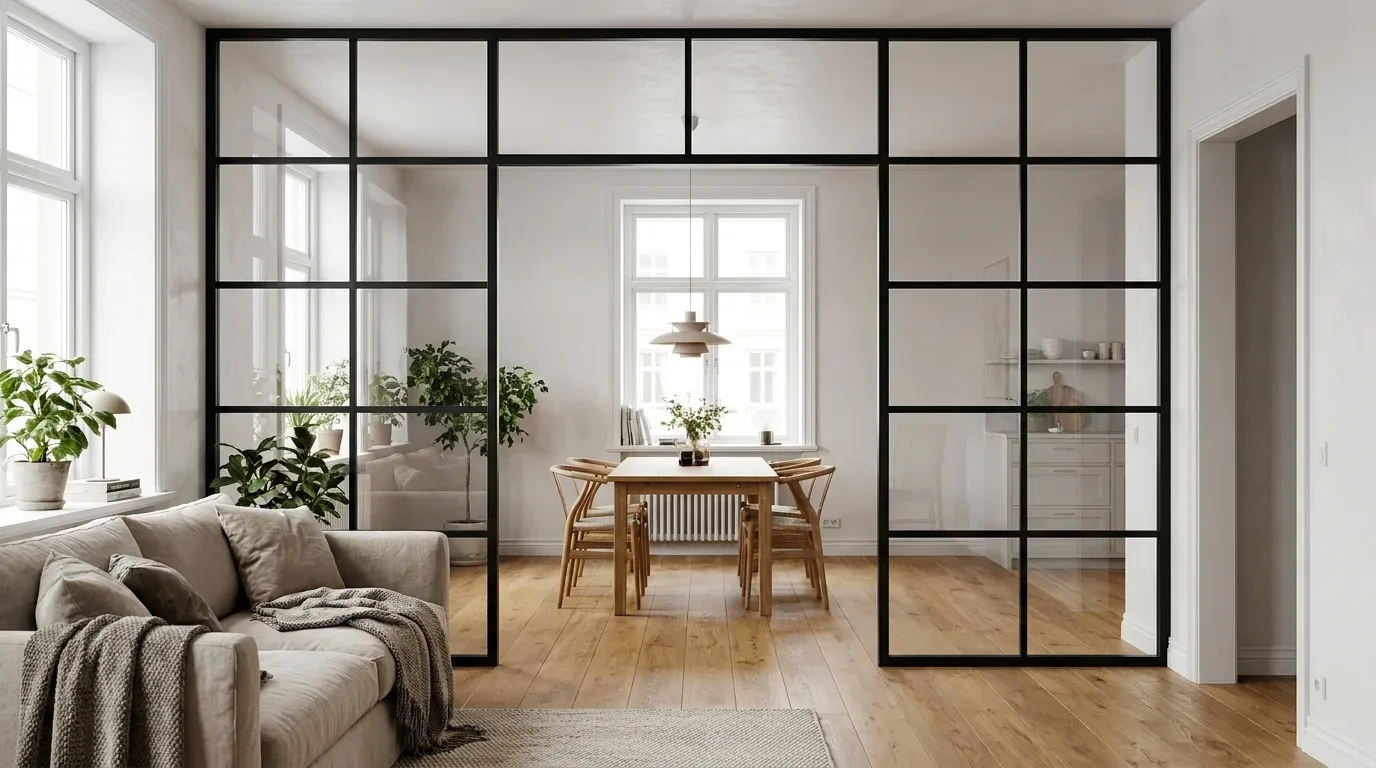
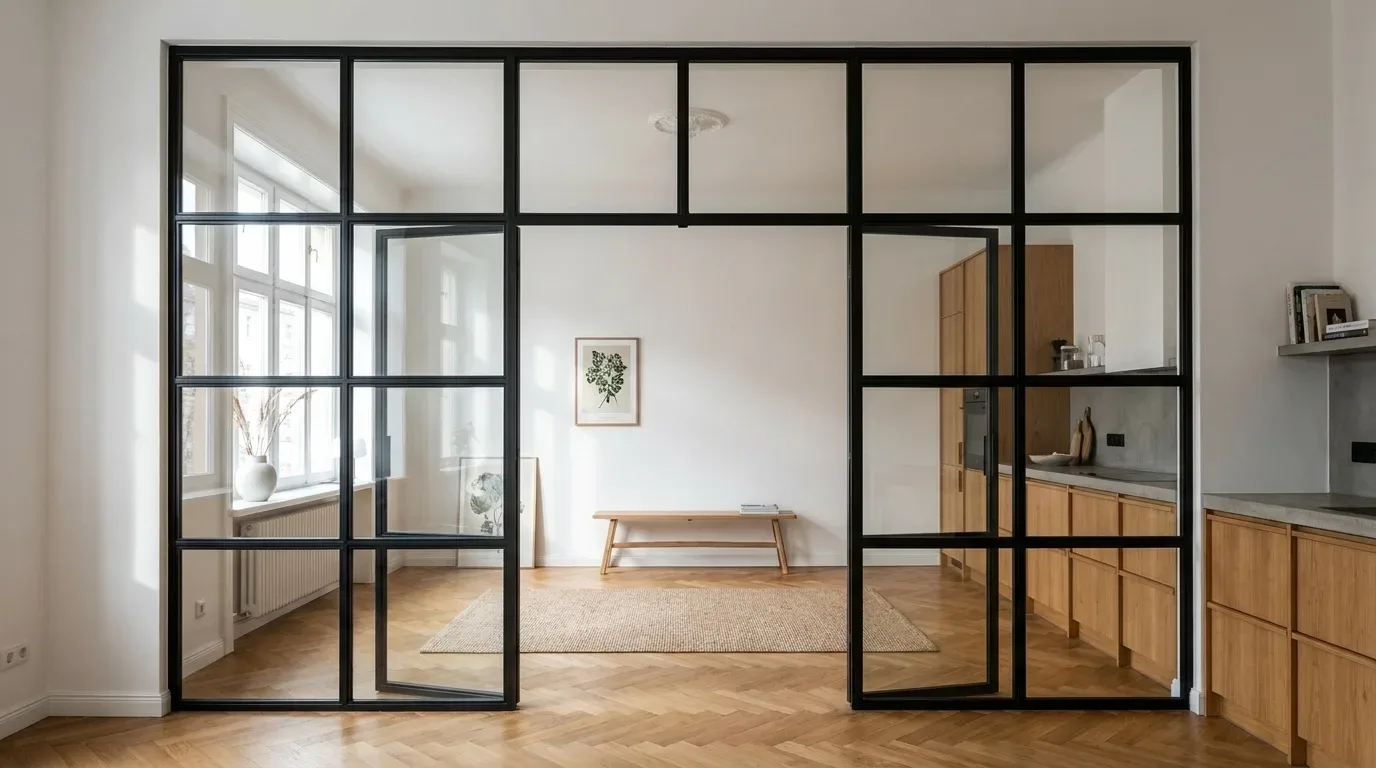
| Raumteiler | 2.212 € | Steel + laminated glass, custom width |
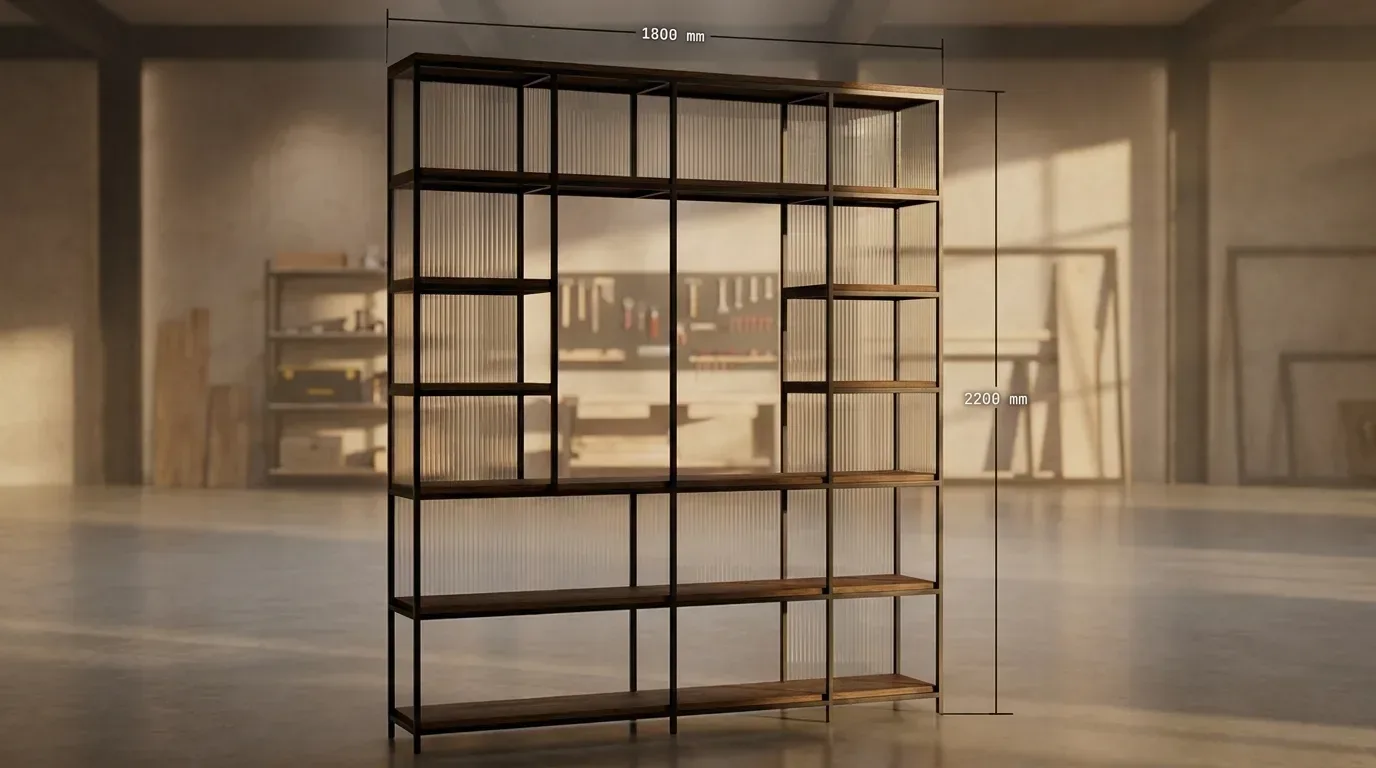
| Großes Regal | 3.200 € | Solid wood, steel frame, floor-to-ceiling |
| Esstisch | 1.580 € | Solid wood, steel frame |
| Couchtisch | 1.155 € | Solid wood, steel frame |
| Sitzbank | 1.100 € | Solid wood, steel frame |
| TV-Board | 1.540 € | Solid wood, steel frame |
| Rohrregal | 1.065 € | Modular pipe shelf |
Open the 3D configurator for custom-size shelving and change one dimension - the fixed price updates immediately, so you can test what your exact size costs before deciding.
Custom-made, modular and standard: what actually differs
The three categories are often conflated in marketing, which costs buyers time and money. Standard furniture comes in fixed catalogue sizes - the room adapts or the piece does not fit. Modular furniture assembles predefined components in variable combinations - the modules themselves never change size. Custom-made furniture fabricates each part to your measured dimensions. Only the third approach eliminates the fit compromise at the source.
Why modular is not the same as made-to-measure
Take a wall of 247 cm. A modular system offers 240 cm (a 7 cm gap that needs filling) or 260 cm (which will not fit through the door). Custom fabrication builds the piece at 247 cm minus the installation clearance, and nothing else needs adjusting. Modular systems can approximate a room; fabrication to measure can match it. That difference is most obvious in older housing stock where even a 5 cm gap looks awkward against a plaster wall.
Side-by-side comparison
| Criterion | Custom-made | Modular system | Standard / flat-pack |
|---|---|---|---|
| Fit | Fabricated to your measured dimensions, millimetre tolerance | Nearest combination of fixed modules; gaps of 5-20 cm are normal | Fixed catalogue sizes; the room must adapt |
| Materials | Specified per order: S235JR steel, solid oak, beech or ash, chosen stain and RAL colour | Limited to the system's preset decors and finishes | Mostly veneered chipboard in fixed decors |
| Lifespan and repair | Refinishable hardwood, structural steel frame, parts replaceable | Individual modules swappable while the system remains in production | Replacement is usually the only repair option |
| Price logic | Material volume + dimensioning + finish labour; fixed price shown live | Per-module pricing; additions accumulate | Lowest entry price; repeated re-purchase over the years |
From measurement to delivery: the practical process
Ordering a custom-made piece involves four steps: measure your space at several points, configure the piece online in the live 3D tool, place the order at the fixed price shown, and receive the EU-produced piece in 5-6 weeks. The process is designed so that no site visit, no consultation appointment, and no back-and-forth is required. Lead time and shipping appear in the cart before you confirm.
Measure at several points, use the smallest value
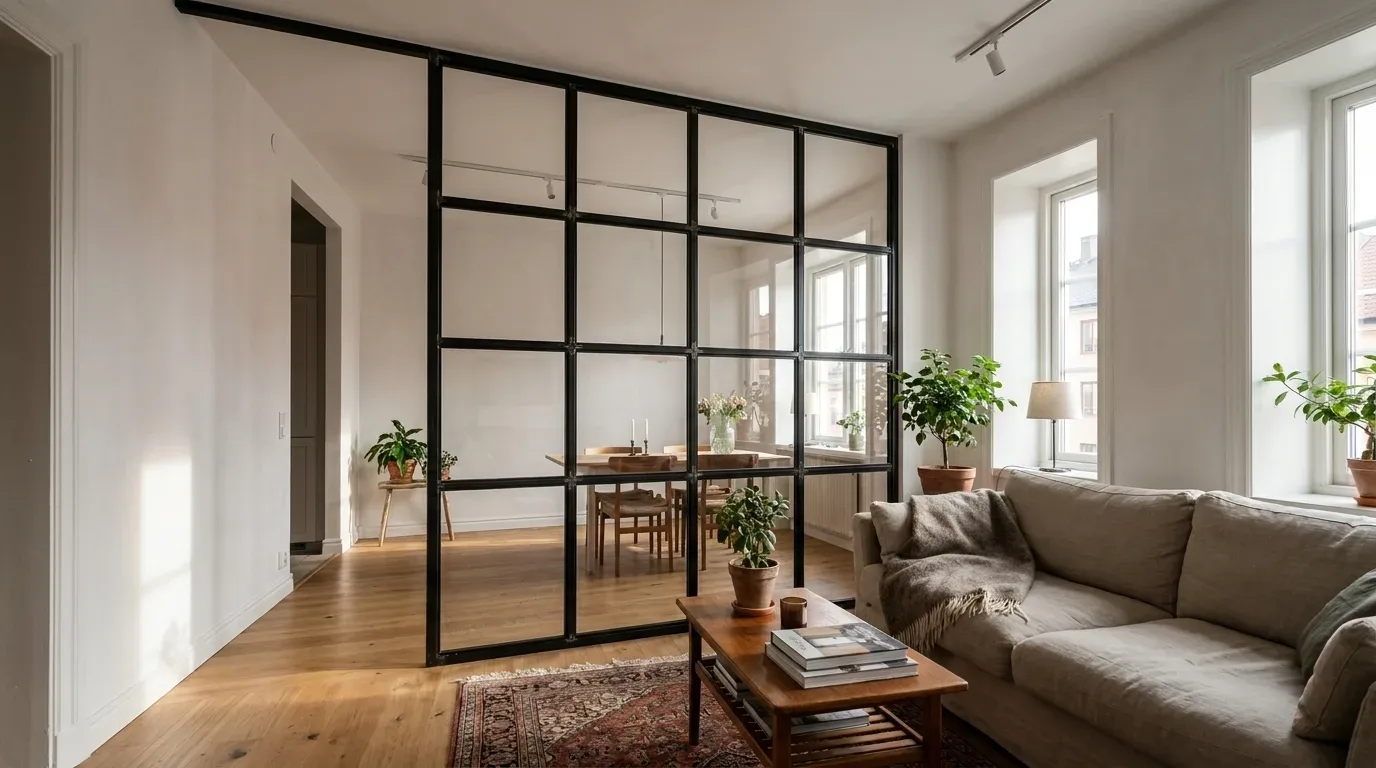
One rule covers almost every situation: take each critical dimension at two or three points - top, middle, bottom for height; left, centre, right for width - and enter the smallest value. For wall-to-wall builds, plan around 5 mm installation clearance per side so the piece slides into position without forcing. This single habit resolves the most common fit problem before it occurs.
Configure in 3D, watch the price update live
Width, depth, height, wood species, stain, frame type and RAL colour are all live inputs. The configurator recalculates the fixed price with every change, so you can compare three sizes in ten minutes without speaking to anyone. The result you see on screen is the price you pay at checkout - no adjustment, no surcharge.
EU production, 5-6 weeks to your door
Every piece is produced in the EU with a lead time of 5-6 weeks from order confirmation to delivery, direct from the manufacturer. For mounted builds such as wall-fixed shelving, installation can be handled by one of our installation partners listed on the website; practical pre-order questions are covered in the FAQ.
- Measure each dimension at several points on site and note the smallest value.
- Configure size, wood species, stain, frame type and RAL colour in the 3D configurator.
- Order at the fixed price shown - shipping and lead time are listed in the cart before you confirm.
- Receive the EU-produced piece in 5-6 weeks; book an installation partner for wall-mounted builds if needed.
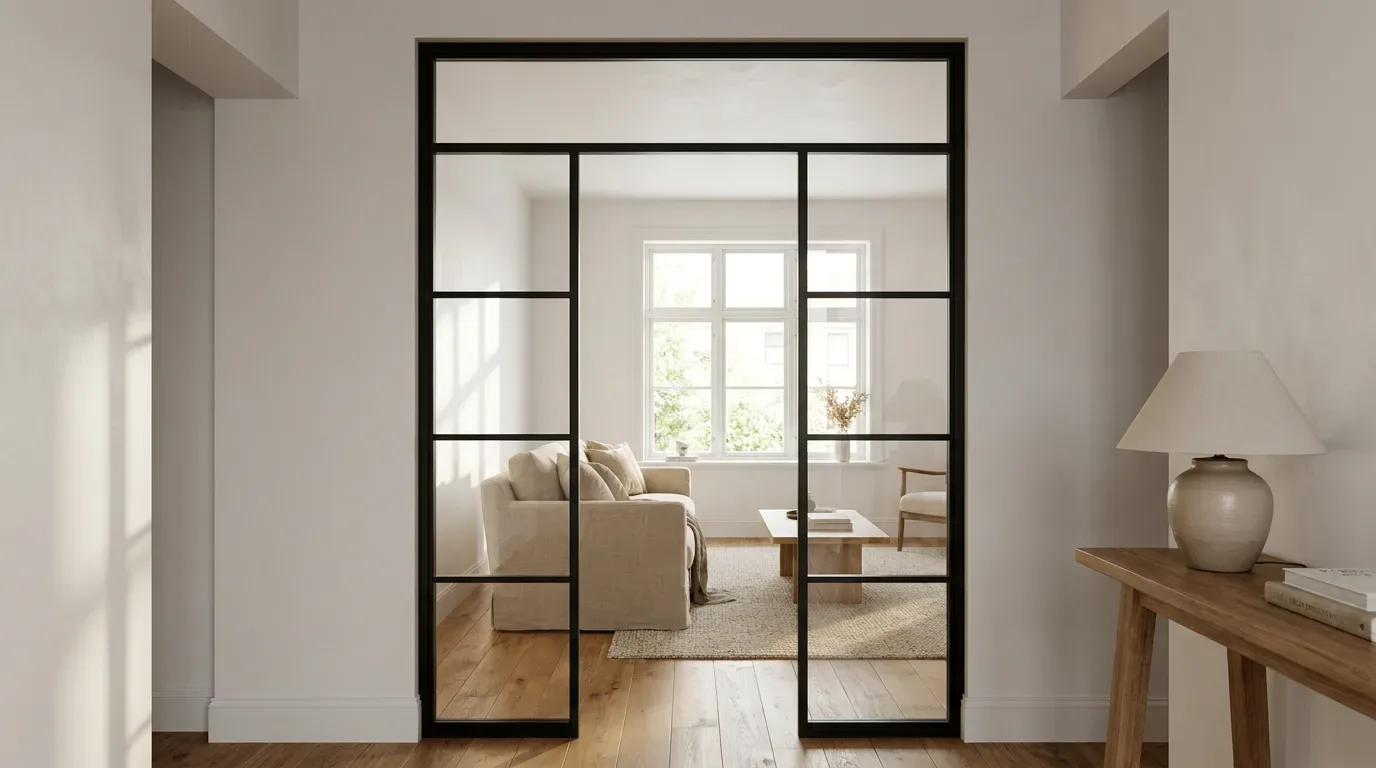
On my loft projects, online configurators save significant time - from initial design to production, the whole process runs in an organised sequence. That lets me deliver custom steel-and-wood furniture faster and keep clients satisfied.
Lukas Brandt
Loft Renovation Specialist
Longevity, repairability and a quieter sustainability argument
Custom-made furniture lasts longer because it is built to be repaired. Solid hardwood surfaces can be refinished. Powder-coated steel frames stay structural for decades. Repairability is what converts the higher purchase price into a lower lifecycle cost - and it is also the most straightforward sustainability argument, because the most resource-efficient piece of furniture is the one that never needs replacing.
Repair rather than replace
Scratches, water rings and worn patches on a solid top are surface events, not structural failures. A coffee table with a solid-wood top - the piece in most homes that collects the heaviest daily wear - can be brought back to near-new condition several times across its life. Chipboard with a worn-through decor layer cannot; its only exit is disposal and replacement.
Oiled and lacquered surfaces: how they age differently
In daily use, the two approaches follow different paths. Oil penetrates the wood fibres and can be renewed locally - a worn patch on one section of a table does not require stripping the whole surface. Lacquer forms a closed film that protects well until it is breached, at which point a full refinish is usually the only practical option. For a piece that will see years of use, the repairability of an oiled surface is a practical advantage as well as a cost one.
Certified wood and what happens at end of life
Circularity is built into the construction from the start. PEFC- and FSC-certified hardwood carries documented provenance. Steel is indefinitely recyclable. A bolted steel-and-wood frame can be disassembled into clean material streams rather than mixed waste. The evidence from renovations points in the same direction: the furniture in the skip is almost always worn chipboard, not solid hardwood. A piece that can be refinished, disassembled and recycled is a fundamentally different proposition from one whose only end state is landfill.
Configure your piece to the exact centimetre - the fixed price appears as you type, shipping and production time are shown in the cart, and payment by instalments is available at checkout.
Frequently asked questions about custom-made furniture
Which wood species suits a dry, centrally heated room?
Beech and ash are stable choices for dry, continuously heated interiors. Oak is the more versatile all-rounder and handles slightly more variable indoor humidity without significant movement. All three species move with the seasons as moisture levels shift - denser hardwoods keep that movement small. The climate choice does not limit the look: all three take the same range of 50+ stains.
Can I take a custom piece with me when I move?
Yes - freestanding pieces such as tables, benches and shelves move exactly like any other furniture. Only pieces sized wall-to-wall for a specific niche may need adaptation if the new room has different dimensions. That is the one honest trade-off of a precise fit. Steel-and-hardwood construction survives disassembly and transport considerably better than veneered chipboard alternatives.
How precise do my measurements need to be?
You do not need professional equipment - a standard tape measure is sufficient. The key habit is to take each dimension at two or three points rather than once from the centre, and to enter the smallest value. For wall-to-wall builds, subtract 5 mm per side for installation clearance. That approach covers the great majority of residential rooms, including those with slightly uneven walls.
How does the configurator price update work?
The fixed price recalculates automatically from your live inputs: dimensions, wood species, stain, sheen, frame type, leg profile and RAL colour. There is no separate quote request and no callback - the price you see is the price you pay. Shipping and lead time appear in the cart before you confirm the order.
Does a custom-made piece hold its value better over time?
It holds its use value longer because worn surfaces can be refinished and the steel frame is engineered for its specific load across decades. Spread the purchase price over the realistic service life - including a refinish cycle - and the cost per year of use typically undercuts the cumulative cost of replacing flat-pack equivalents two or three times over.
Measure your room, then decide
Three questions frame any furniture purchase honestly: does it fit the actual room, what is it made of, and how long will it last? Custom-made furniture answers all three at the same time - a piece built to your measured geometry recovers space that no discount can recover, the specified hardwood and steel determine how it ages, and repairability decides the real cost over years rather than at the point of purchase. EU production, direct-from-manufacturer delivery and a fixed price shown live in the configurator close the loop from specification to doorstep.
Compare oak, beech and ash side by side, then enter your exact dimensions in the shelf configurator or browse the full range at manufakturx.com - the fixed price updates with every centimetre, and production in the EU takes 5-6 weeks.