
April 26, 2026 · ManufakturX Team
Industrial Style Interior Design: Complete Style Guide
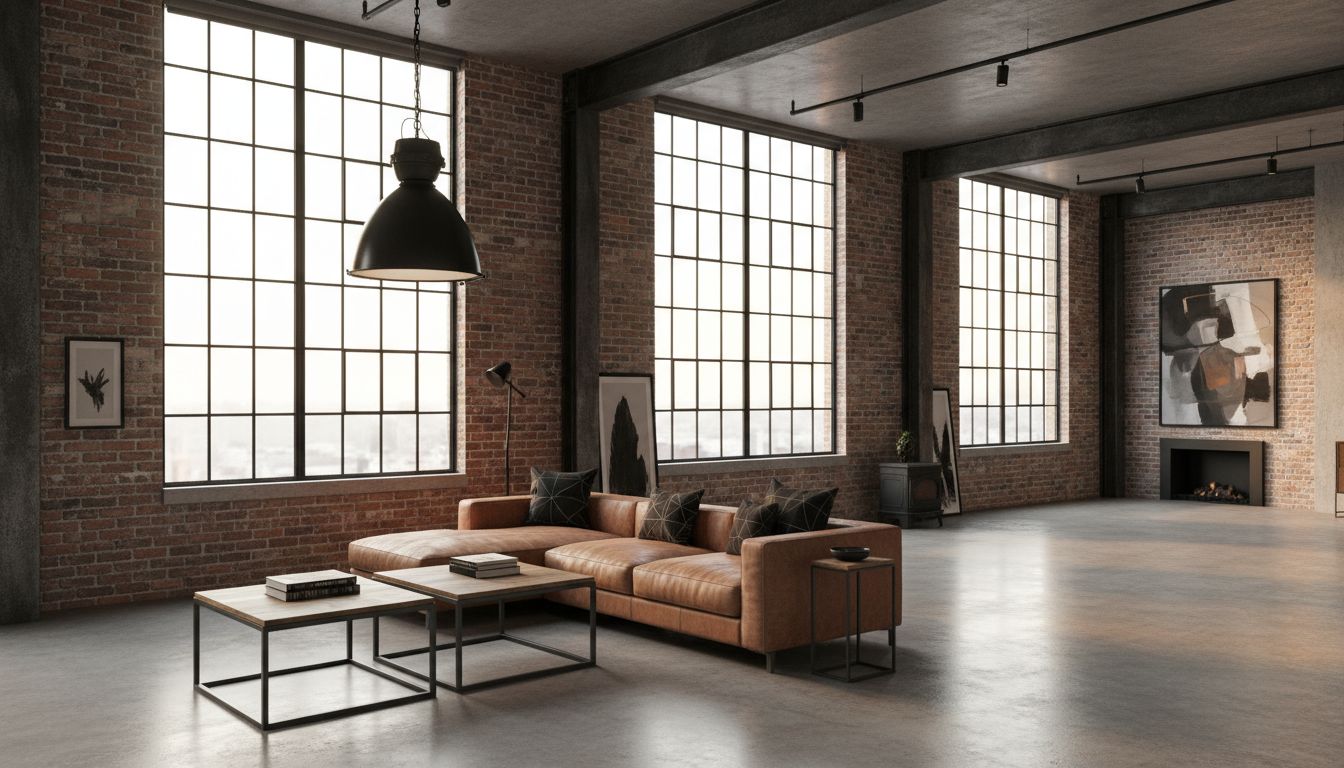
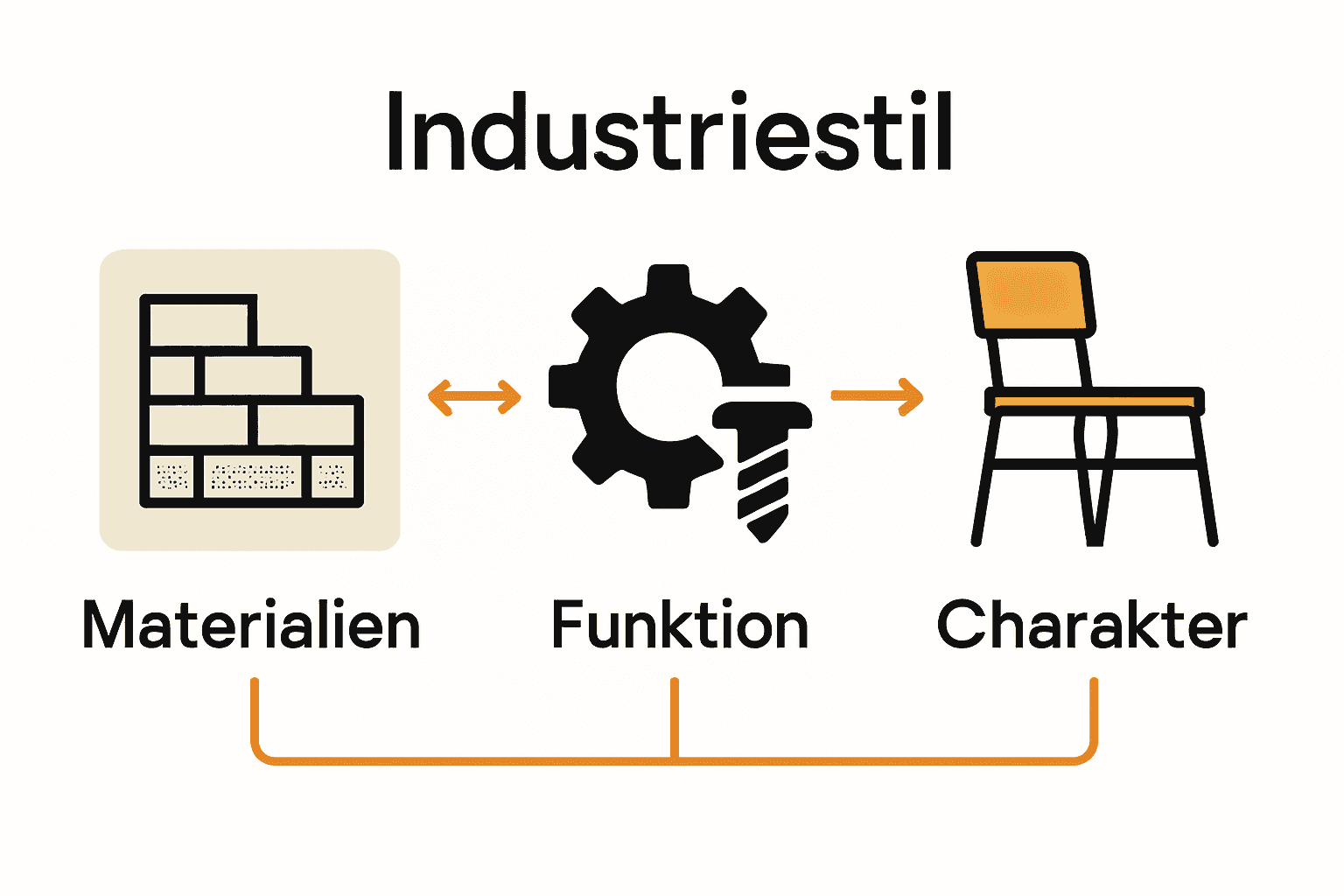
Industrial style interior design has captured the imagination of homeowners across Europe, transforming ordinary living spaces into striking urban environments. This design philosophy embraces raw authenticity, celebrating materials in their unrefined state and finding beauty in functional simplicity. Understanding industrial style means appreciating the marriage between form and function, where every element serves a purpose while creating visual impact.
Essential Elements of Industrial Design
| Element | Characteristics |
|---|---|
| Material Philosophy | Raw steel, exposed brick, solid wood, and concrete create the foundation of authentic industrial spaces. |
| Color Palette | Neutral tones dominated by grays, blacks, whites, and warm earth tones establish the industrial aesthetic. |
| Design Variations | From vintage factory style to contemporary industrial chic, multiple interpretations suit different preferences. |
| Balance Principles | Successful industrial design requires careful balance between harsh materials and comfortable living elements. |
Origins and Philosophy Behind Industrial Design
Industrial style emerged from the practical necessity of converting former manufacturing spaces into livable environments. This design movement gained momentum as urban areas repurposed warehouses, factories, and industrial buildings into residential spaces. The aesthetic celebrates structural honesty, where building elements traditionally hidden become focal points of beauty.
The philosophy centers on several core principles:
- Structural transparency and exposed construction elements
- Material authenticity without artificial treatments
- Functional design where purpose drives form
- Minimal ornamentation focusing on inherent material beauty
- Open spatial concepts maximizing functionality
This design approach transforms utilitarian elements into sophisticated interior features. Steel beams become architectural highlights, exposed ductwork adds visual interest, and weathered materials tell stories of industrial heritage. The style represents a departure from conventional decoration, instead finding beauty in the bones of a building.
Industrial design philosophy extends beyond aesthetics to embrace sustainability through material reuse and longevity. Quality construction and timeless materials ensure spaces remain relevant across changing trends.
Material Selection and Color Schemes
Material selection forms the backbone of successful industrial design, with each element contributing to the overall aesthetic narrative. Steel serves as the primary structural material, often featuring powder coating for durability and scratch resistance. This eco-friendly finishing process creates even color distribution while maintaining the industrial character.
Wood elements provide warmth and contrast to harder materials. Solid woods like oak, ash, and walnut offer durability and natural beauty that improves with age. These materials work particularly well in dining tables and shelving systems where functionality meets visual appeal.
The industrial color palette revolves around these fundamental tones:
- Charcoal and anthracite grays
- Deep blacks and off-whites
- Warm caramel and cognac browns
- Metallic silvers and gunmetal finishes
- Rust and patina accent colors
Concrete adds textural interest while maintaining the raw aesthetic. Whether polished smooth or left with natural imperfections, concrete surfaces provide neutral backgrounds that allow other materials to shine. The key lies in balancing these harder elements with softer textures through textiles and natural materials.
Successful material combinations create visual tension while maintaining harmony. Steel frames paired with wooden surfaces, concrete floors softened with area rugs, and metal fixtures balanced with leather upholstery demonstrate effective industrial design principles.
Design Variations and Sub-Styles
Industrial design encompasses several distinct approaches, each emphasizing different aspects of the core aesthetic. Understanding these variations helps create personalized spaces that reflect individual preferences while maintaining style authenticity.
Vintage Industrial draws heavily from early 20th-century factory aesthetics, featuring heavy machinery-inspired furniture and aged metal finishes. This approach emphasizes historical authenticity with genuine vintage elements and weathered materials.
Key variations include:
- Vintage Industrial: Authentic aged materials and machinery-inspired designs
- Contemporary Industrial: Clean lines with modern comfort features
- Soft Industrial: Balanced approach incorporating textile elements
- Minimalist Industrial: Stripped-down aesthetic focusing on essential elements
- Luxury Industrial: High-end materials with industrial-inspired forms
Contemporary Industrial modernizes the aesthetic with cleaner lines and updated comfort features. This approach maintains structural honesty while incorporating modern conveniences and refined finishes. The result appeals to those who appreciate industrial aesthetics but require contemporary functionality.
Soft Industrial introduces more textile elements and warmer colors to create inviting spaces. This variation works particularly well in residential settings where comfort takes priority over pure aesthetic statements.
Furniture Design: Function Meets Industrial Form
Industrial furniture embodies the principle that beauty emerges from purposeful design rather than decorative embellishment. Each piece tells a story of craftsmanship and functional necessity, where visible construction methods become design features rather than elements to hide.
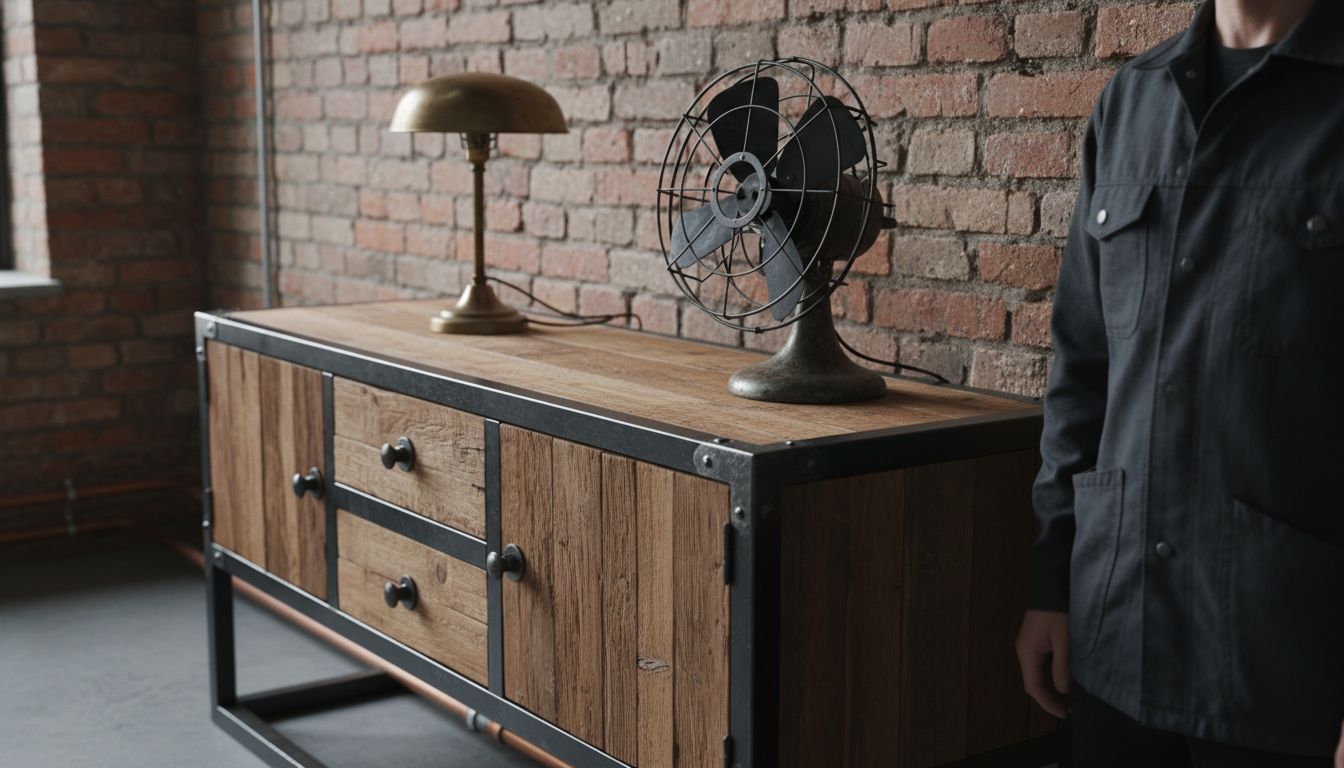
The construction philosophy emphasizes honest joinery and visible connections. Welded steel frames showcase craftsmanship through clean seams and precise angles. Powder-coated finishes provide durability while maintaining the raw aesthetic appeal. These finishing techniques offer superior scratch resistance and color consistency compared to traditional painting methods.
Furniture characteristics include:
- Multi-functional designs maximizing space efficiency
- Exposed structural elements as decorative features
- Combination of steel frames with solid wood surfaces
- Hardware and connections left visible and accessible
A well-designed coffee table exemplifies these principles, combining steel construction with solid wood tops. The marriage of materials creates visual interest while ensuring long-term durability. Similarly, industrial shelving systems demonstrate how functional storage becomes architectural features.
Space Planning and Design Integration
Successful industrial design requires thoughtful space planning that maximizes both functionality and aesthetic impact. Open floor plans work best for this style, allowing structural elements to breathe while creating natural sight lines throughout the space.
Effective space integration involves several strategies. Room dividers can define areas without compromising the open feel essential to industrial aesthetics. Steel and glass combinations maintain visual continuity while providing necessary separation between living zones.
Lighting plays a crucial role in industrial space planning. Track lighting, exposed pendant fixtures, and industrial-inspired task lighting emphasize the utilitarian aesthetic while providing necessary illumination. The goal is functional lighting that enhances rather than hides structural elements.
Integration principles include:
- Maintaining sight lines across open spaces
- Using furniture as functional space dividers
- Emphasizing vertical elements like exposed columns
- Creating zones through material changes rather than walls
Storage solutions should embrace the industrial aesthetic rather than hide from it. Open shelving systems, metal lockers, and industrial-inspired storage units become design elements while serving practical purposes.
The challenge lies in creating warmth within the industrial framework. Textile elements, strategic lighting, and natural materials help balance the harder edges while maintaining style authenticity.
Common Mistakes and Design Solutions
Industrial design success depends on avoiding common pitfalls that can make spaces feel cold, cluttered, or inauthentic. The most frequent mistake involves overemphasizing raw materials without considering human comfort and livability.
Design pitfalls to avoid:
- Excessive focus on hard materials without softening elements
- Poor lighting creating harsh or dim environments
- Lack of personal touches making spaces feel sterile
- Inconsistent material quality undermining authenticity
- Inadequate heating and acoustics in open spaces
Solutions focus on creating balance through strategic additions. Introducing plants adds natural elements that soften industrial edges while improving air quality. Textile elements like leather furniture, wool throws, and area rugs provide comfort without compromising the aesthetic.
Temperature and acoustics require special attention in industrial spaces. Hard surfaces can create echo problems that affect comfort. Strategic placement of sound-absorbing materials helps while maintaining design integrity.
Quality control becomes essential when selecting materials and finishes. Authentic industrial pieces age beautifully, while poor-quality imitations deteriorate quickly and undermine the entire design concept. Investment in quality materials ensures long-term satisfaction and authentic aesthetics.
Creating Authentic Industrial Spaces with Custom Solutions
Achieving authentic industrial style requires more than selecting the right materials—it demands careful attention to proportion, quality, and integration. The difference between successful industrial design and mere decoration lies in the details and craftsmanship of individual elements.
Custom solutions ensure perfect integration between industrial elements and personal living requirements. Made-to-measure pieces fit precisely within existing spaces while maintaining design integrity. This approach allows for adaptation to specific room dimensions and functional needs without compromising aesthetic goals.
Manufaktur X specializes in creating custom industrial furniture and loft doors that embody authentic industrial principles. Each piece combines traditional craftsmanship with modern manufacturing techniques, ensuring quality that improves with age. The 3D configurator allows visualization of custom pieces within existing spaces, helping clients make informed decisions about materials, finishes, and proportions.
Quality indicators for authentic industrial pieces include powder-coated steel frames, solid wood construction, and visible joinery details. These elements work together to create furniture that functions as both practical items and design statements. The 5-6 week production timeline reflects the careful attention required for proper construction and finishing.
Explore the possibilities at manufakturx.com to discover how custom industrial furniture can transform your space while reflecting personal style preferences.
Frequently Asked Questions
What defines authentic industrial style design?
Authentic industrial style features exposed structural elements, honest material use, powder-coated steel frames, solid wood surfaces, and minimal ornamentation focusing on functional beauty.
Which materials work best for industrial interiors?
Steel, solid wood varieties like oak and ash, concrete, exposed brick, and safety glass form the foundation of successful industrial design schemes.
How can I soften industrial design without losing authenticity?
Introduce natural elements like plants, quality textiles such as leather and wool, strategic lighting, and warm wood tones to balance harder materials while maintaining industrial character.
What color schemes complement industrial style?
Neutral palettes featuring grays, blacks, whites, warm browns, and metallic finishes create authentic industrial atmospheres while allowing material textures to shine.
About the Author
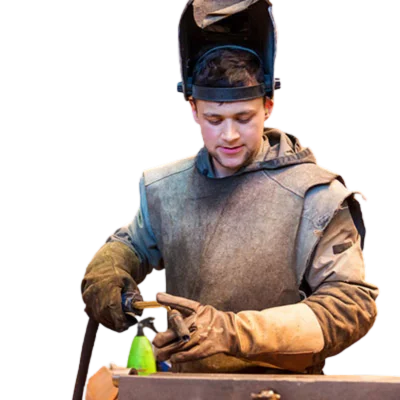
Alexander Stelzner
Founder & CEO, Manufaktur X
Alexander Stelzner is an expert in custom-made steel-glass constructions and solid wood furniture. With years of experience in design and manufacturing, he leads Manufaktur X – where every piece is individually crafted to order in the EU.