

November 3, 2025 · ManufakturX Team
Understanding Industrial Design: A Complete Guide
The Essence of Industrial Design Philosophy
At its heart, industrial design represents the intersection where human needs, aesthetic vision, and practical functionality converge. This discipline transforms abstract concepts into tangible products that enhance our daily experiences through thoughtful integration of form and purpose.
Industrial design emerged from manufacturing environments but has evolved into a sophisticated approach to problem-solving that prioritizes human-centered innovation. Unlike purely artistic endeavors that focus on expression, or engineering solutions that emphasize technical performance, industrial design balances multiple considerations simultaneously.
Core Principles That Drive Design Excellence
The foundation of effective industrial design rests on several interconnected principles that distinguish it from other creative disciplines:
- User Experience Priority: Every design decision stems from understanding how people interact with products
- Manufacturing Viability: Concepts must translate into economically feasible production methods
- Cross-disciplinary Integration: Combines insights from psychology, engineering, economics, and aesthetics
- Sustainable Innovation: Considers long-term environmental and social impact
Balancing Aesthetics with Practical Application
Contemporary industrial design success depends on achieving harmony between visual appeal and functional performance. This balance requires designers to think beyond surface-level styling and consider the entire user journey.
Aesthetic elements communicate product identity and quality while establishing emotional connections with users. A well-designed piece doesn't simply perform its intended function—it creates an experience that feels intuitive and satisfying. This principle applies whether designing everyday household items or specialized architectural elements like loft doors that must serve both practical and aesthetic purposes.
Material Selection and Design Impact
Material choices profoundly influence both the functionality and aesthetic character of finished products. Designers must understand how different materials behave, age, and interact with users over time:
- Natural Materials: Wood varieties like oak and walnut provide warmth and timeless appeal
- Metal Components: Steel frameworks offer durability and modern sophistication
- Glass Elements: Safety glass provides transparency while maintaining structural integrity
- Surface Treatments: Powder coating delivers superior durability compared to traditional painting methods
From Concept Development to Manufacturing Reality
The journey from initial inspiration to finished product involves systematic progression through distinct development phases. Each stage requires specific skills and considerations that build upon previous work.
Research and Discovery Phase
Successful design projects begin with comprehensive research into user behaviors, market conditions, and technological possibilities. This foundation informs all subsequent design decisions and helps identify opportunities for innovation.
Creative Development and Iteration
Initial concepts undergo continuous refinement through sketching, modeling, and prototyping. This iterative process allows designers to explore multiple solutions before committing to final specifications.
Modern design workflows increasingly incorporate digital tools that enable real-time visualization and modification. Advanced configurators now allow customers to participate directly in the design process, customizing products to meet their specific requirements.
Testing and Validation
Prototype evaluation ensures that design concepts translate effectively into real-world applications. This phase reveals potential issues with ergonomics, durability, or manufacturing processes that require resolution before production.
Applications Across Product Categories
Industrial design principles apply across diverse product categories, each presenting unique challenges and opportunities for innovation.
Furniture and Interior Elements
In furniture design, industrial principles guide the creation of pieces that serve functional needs while contributing to interior aesthetics. Whether developing dining tables for family gatherings or room dividers that define living spaces, designers must consider ergonomics, durability, and visual impact.
Custom furniture manufacturing particularly benefits from industrial design approaches, as each piece must integrate seamlessly into specific environments while meeting individual user requirements. ManufakturX exemplifies this philosophy through made-to-measure solutions that combine traditional craftsmanship with contemporary design sensibilities.
Architectural Hardware and Fixtures
Building components like doors, shelving systems, and structural elements require careful attention to both aesthetic integration and performance standards. These products must function reliably while contributing positively to overall design schemes.
Protecting Creative Innovation
Industrial designers must navigate complex intellectual property landscapes to safeguard their creative contributions and maintain competitive advantages.
Design Protection Strategies
Effective protection involves multiple approaches depending on the nature of the innovation:
- Design Registration: Formal protection for aesthetic and functional innovations
- Copyright Protection: Automatic coverage for original creative expressions
- Trademark Registration: Brand identity protection for commercial applications
- Patent Applications: Technical innovation protection for novel mechanisms or processes
Understanding these protection mechanisms enables designers to make informed decisions about when and how to secure their intellectual property rights across different markets.
The Future of Human-Centered Design
Industrial design continues evolving as technology opens new possibilities for customization, sustainability, and user engagement. The integration of digital tools with traditional craftsmanship creates opportunities for mass customization that was previously economically unfeasible.
Contemporary consumers increasingly value products that reflect their individual preferences and lifestyle requirements. This trend drives demand for customizable solutions that combine industrial design principles with personal expression.
The emphasis on sustainable practices also influences design decisions, encouraging the use of responsibly sourced materials and production methods that minimize environmental impact while maintaining quality and durability standards.
Great industrial design doesn't announce itself—it simply makes life better through thoughtful integration of form, function, and human understanding.
As design tools become more sophisticated and accessible, the fundamental principles of user-centered thinking, aesthetic sensitivity, and manufacturing awareness remain central to creating products that truly serve human needs while inspiring genuine appreciation for thoughtful design.
About the Author
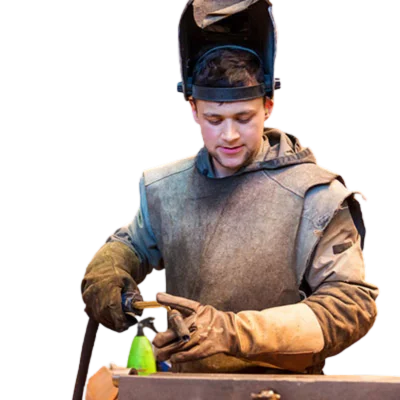
Alexander Stelzner
Founder & CEO, Manufaktur X
Alexander Stelzner is an expert in custom-made steel-glass constructions and solid wood furniture. With years of experience in design and manufacturing, he leads Manufaktur X – where every piece is individually crafted to order in the EU.