

April 20, 2026 · ManufakturX Team
Door Customisation Explained: Tailored Solutions for Every Space
The Evolution of Custom Door Solutions
Contemporary interior design has transformed doors from simple barriers into sophisticated architectural elements. While many homeowners still settle for off-the-shelf solutions, the revolution in door customisation offers unprecedented freedom to create exactly what your space demands. Through advanced digital tools and precision manufacturing, today's custom door industry delivers virtually unlimited colour options paired with diverse premium materials. Yet beneath the surface of aesthetic possibilities lies a deeper transformation: how cutting-edge technology now enables real-time visualisation and instant pricing during the design process itself.
| Key Insight | Explanation |
|---|---|
| Complete design flexibility available | Choose materials, finishes, and exact dimensions to match your vision perfectly. |
| Digital tools enhance planning | 3D configurators provide instant visual feedback and accurate pricing. |
| Function drives form | Customisation solves practical challenges like space optimisation and accessibility. |
| Personal style takes centre stage | Design freedom supports unique interior concepts and individual preferences. |
| Versatile applications everywhere | Custom doors serve both residential and commercial environments effectively. |
Understanding Door Customisation Fundamentals
Door customisation represents the ability to design door elements that align precisely with personal requirements and aesthetic preferences. This process extends far beyond simple size adjustments to encompass comprehensive personalisation that harmonises functionality, visual appeal, and individual character.
Core Elements of Custom Design
Modern door customisation revolves around several fundamental components that customers can control entirely. Each element contributes to both the door's performance and its integration within your space:
- Material selection: Choose between ESG and VSG safety glass options
- Colour specification: Virtually unlimited possibilities using RAL colour codes
- Precise sizing: Custom width and height to fit your exact space requirements
The loft door configuration system exemplifies how customers can actively shape these elements through interactive design tools.
Technology-Driven Customisation Process
Revolutionary 3D configurator technology has fundamentally changed how people approach door customisation. These interactive platforms enable real-time design modifications while providing immediate visual feedback and transparent pricing information throughout the process.
Research from leading European design institutes confirms that digital configuration systems significantly improve customer satisfaction while streamlining production workflows. Direct customer input and instant adjustments create more efficient manufacturing processes and faster delivery of personalised solutions.
Door customisation thus represents more than a passing trend—it embodies modern personalisation principles where functionality, aesthetics, and individual preferences converge seamlessly.
Benefits of Customisable Door Solutions
Customisable doors address the growing demand for personalised living environments that reflect individual lifestyles and solve specific spatial challenges. European homes, with their diverse architectural styles and varying room proportions, particularly benefit from tailored door solutions that standard products simply cannot provide.
Personal Expression and Unique Character
Every interior space possesses distinct characteristics that deserve complementary design elements. Customisable doors become integral components that enhance and define the overall atmosphere, whether in a sleek urban apartment or a traditional countryside home.
Practical Advantages Beyond Aesthetics
The importance of door customisation extends well beyond visual considerations. European architecture institutes recognise that functional aspects play crucial roles in successful interior design implementations.
Key functional benefits include optimised space utilisation, enhanced accessibility features, and improved room acoustics. Custom doors can accommodate unusual openings, provide better sound separation between areas, and integrate seamlessly with existing architectural features.
Door customisation therefore serves as a cornerstone of modern, flexible interior design. It successfully bridges functional requirements, design aspirations, and personal needs in ways that conventional standard solutions cannot achieve.
The Customisation Process Explained
Creating custom doors involves sophisticated coordination between advanced technology, skilled craftsmanship, and customer-focused design approaches. This integrated process ensures that individual door elements meet exact specifications while maintaining the highest quality standards.
Digital Design and Visualisation
Contemporary customisation systems leverage powerful 3D visualisation technologies that enable interactive design experiences. Customers can modify various design parameters instantly while observing real-time results through intuitive digital interfaces.
The typical customisation workflow includes:
- Initial geometry and style selection
- Material and surface texture specification
- Colour and design pattern choices
- Technical parameter determination
From Concept to Manufactured Product
The customisation process seamlessly translates digital designs into physical products through precision manufacturing techniques. Made in the EU facilities ensure consistent quality while supporting local craftsmanship traditions.
Production typically requires 5-6 weeks from order confirmation to delivery, allowing sufficient time for careful material preparation, precision manufacturing, and quality control procedures.
This comprehensive approach ensures that door customisation delivers both innovative digital convenience and traditional manufacturing excellence.
Essential Customisation Concepts
Understanding door customisation requires familiarity with various technical, aesthetic, and functional considerations that work together to create optimal door solutions. These concepts form the foundation for making informed decisions about your custom door project.
Primary Configuration Variables
Several critical parameters determine both appearance and performance characteristics of custom doors. These variables directly influence durability, functionality, and visual integration within your space.
Essential considerations include:
- Material quality and origin specifications
- Surface texture and finishing treatments
- Structural strength requirements
- Visual design possibilities
Understanding these parameters helps customers make informed choices that align with their specific requirements and long-term expectations.
Real-World Applications for Custom Doors
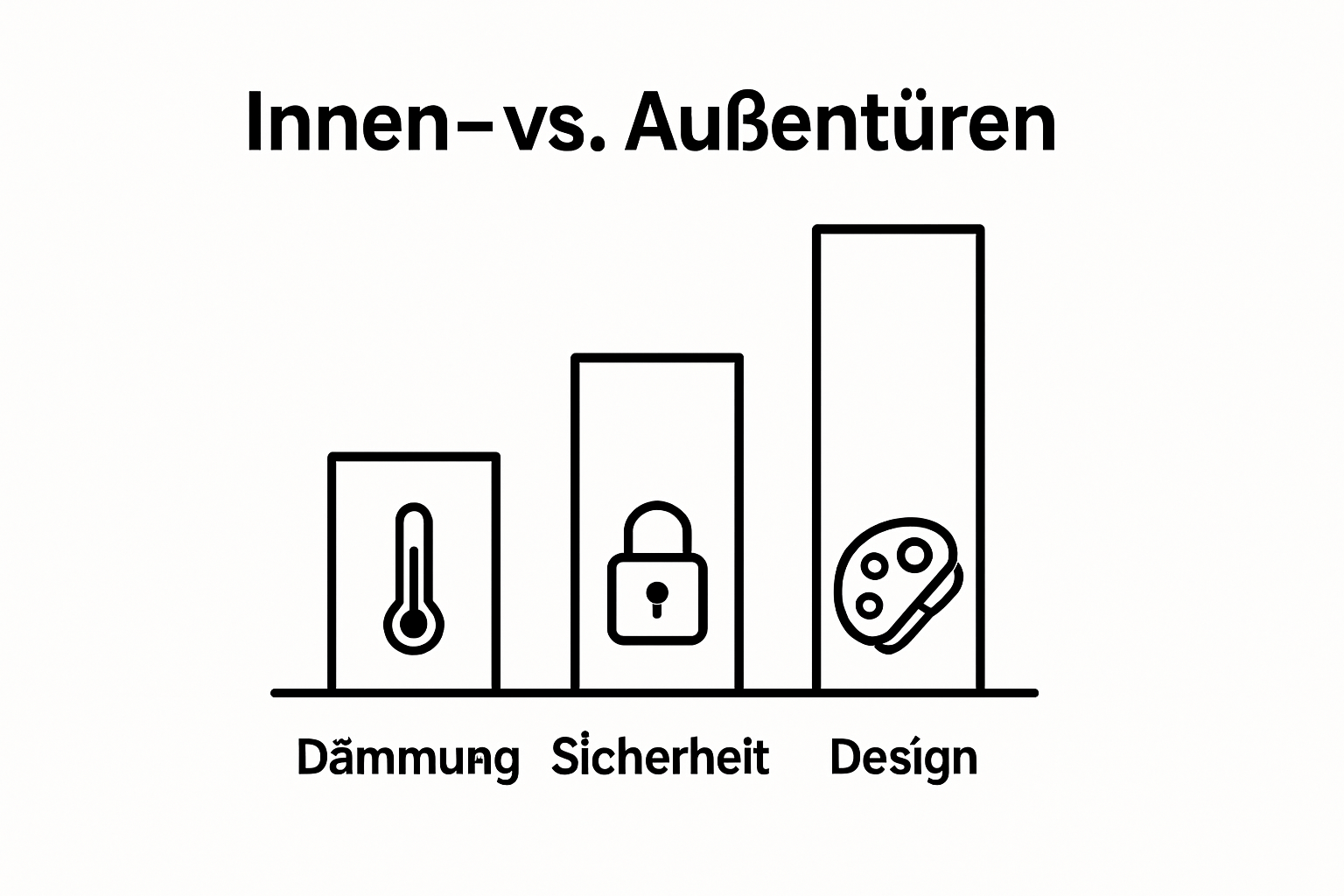
Custom door solutions have evolved from niche products to essential elements in contemporary architecture and interior design. They provide targeted solutions for diverse requirements across residential and commercial environments throughout Europe.
Residential Environments and Privacy Solutions
Within home settings, customisable doors enable precise responses to individual lifestyle needs. They can effectively separate or connect spaces while contributing significantly to the overall ambiance and functionality of living areas.
Common residential applications include:
- Space-saving solutions for compact living areas
- Accessible design features for all life stages
- Acoustic separation between work and living zones
- Seamless integration with various architectural styles
Commercial and Professional Spaces
In business environments, customisable doors gain additional significance for their ability to address specific operational requirements while maintaining professional aesthetics.
European construction experts consistently emphasise that modern door systems serve multiple functions beyond basic access control:
- Noise management: Effective acoustic separation between work areas
- Spatial flexibility: Adaptation to evolving office layouts and functions
- Brand integration: Consistent visual identity throughout commercial spaces
These practical applications demonstrate that customisable doors function as intelligent solutions that thoughtfully combine operational efficiency, aesthetic appeal, and specific user requirements.
Create Your Perfect Door with ManufakturX
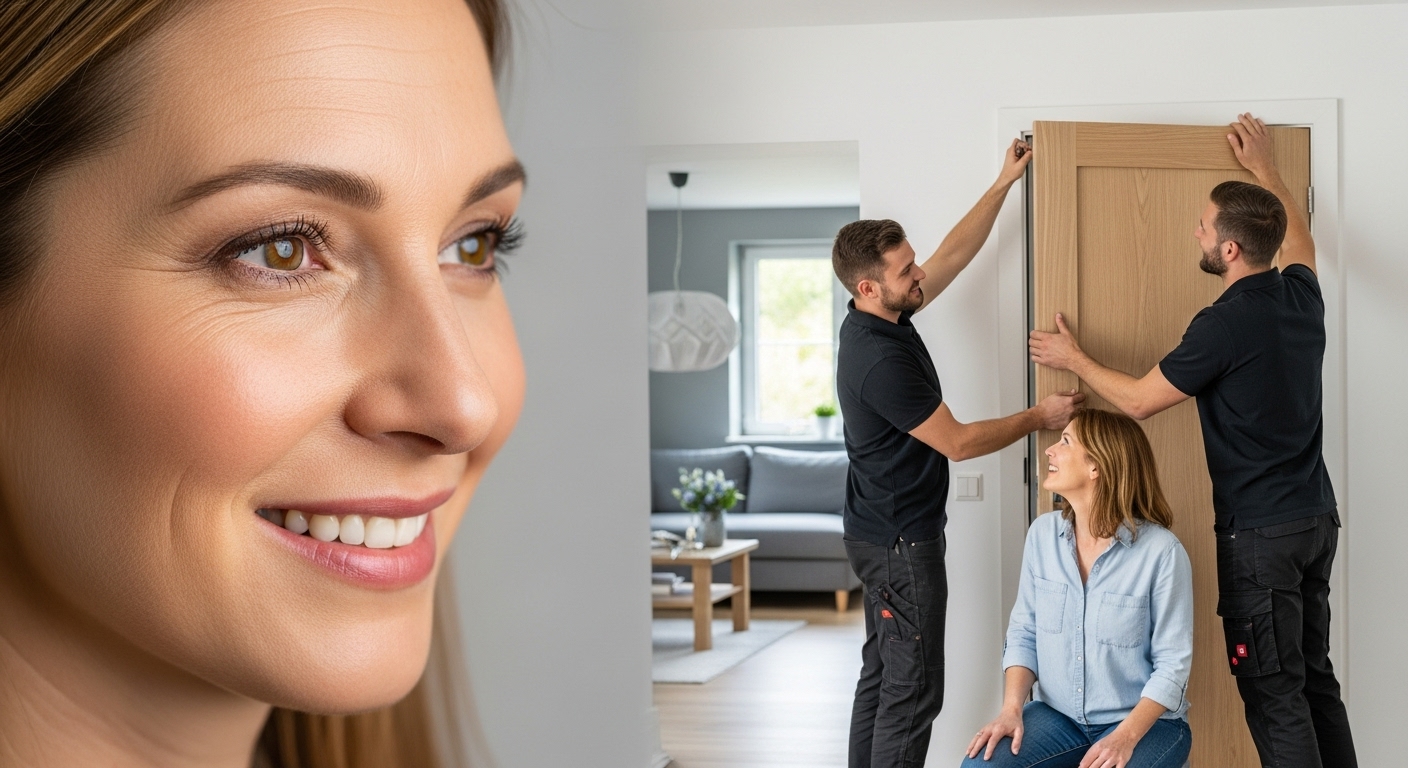
Throughout this guide, you've discovered how door customisation transforms ordinary spaces into personalised environments that truly reflect your style and meet your functional needs. Standard doors often disappoint with poor fit, limited design options, and inability to address specific requirements. With ManufakturX solutions, these limitations become opportunities for creative expression and practical innovation.
Experience the difference today: Explore our interactive 3D door configurator and witness how materials, dimensions, and colours combine according to your vision. Visit our complete product range to discover the full potential of custom solutions. Create spaces that genuinely represent your personality with doors crafted specifically for your requirements—personally designed, individually manufactured, and expertly finished.
Frequently Asked Questions
What does door customisation actually mean?
Door customisation refers to the ability to design door elements according to personal preferences and specific requirements, including material choices, colour specifications, and precise dimensional adjustments.
What benefits do customisable doors provide?
Customisable doors offer numerous advantages including optimal space utilisation, enhanced accessibility features, and perfect integration with existing interior design schemes.
How does the door configuration process work?
The configuration process typically uses digital systems featuring 3D visualisation tools that allow customers to adjust materials, colours, and technical specifications while viewing real-time results.
Which technical aspects are important in door customisation?
Key technical considerations include material quality, structural requirements, finishing options, and compatibility with existing architectural features and hardware systems.
About the Author
Alexander Stelzner
Founder & CEO, Manufaktur X
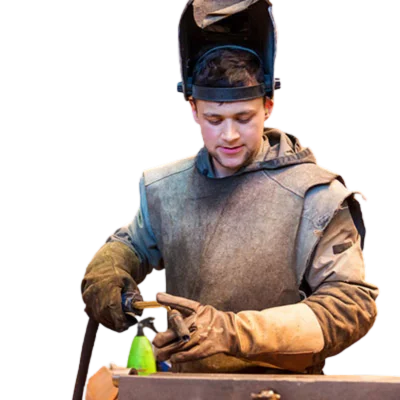
Alexander Stelzner is an expert in custom-made steel-glass constructions and solid wood furniture. With years of experience in design and manufacturing, he leads Manufaktur X – where every piece is individually crafted to order in the EU.