

October 6, 2025 · ManufakturX Team
Essential Guide to Metal and Wood Table Design for Your Home
Metal and wood dining tables represent a sophisticated fusion of industrial strength and natural warmth. These hybrid pieces have become increasingly popular among homeowners seeking furniture that balances durability with aesthetic appeal. The key lies not simply in selecting any combination, but in understanding how these materials can harmonize to create a centerpiece that elevates your entire living space.
Strategic Material Selection for Long-lasting Tables
Creating the ideal metal-wood table begins with understanding material properties. Unlike single-material furniture, hybrid pieces require careful consideration of how different elements interact over time.
Your choice of wood species fundamentally impacts both appearance and performance. Oak delivers exceptional durability and distinctive grain patterns, while walnut offers rich chocolate tones that mature beautifully. Cherry wood develops deeper hues through exposure to light, creating a living finish that evolves with your home.
Steel components provide the structural backbone of your table. Powder coating treatments on metal frames offer superior protection compared to traditional painting methods. This process creates scratch-resistant surfaces with even color distribution while remaining environmentally conscious.
Consider these material pairing principles:
- Room function determines wear requirements
- Visual weight balance between materials
- Maintenance compatibility of chosen combinations
- Color harmony with existing décor
The dining table configurator at Manufaktur X allows you to experiment with various combinations, providing real-time visual feedback on your selections.
Why Mixed-Material Furniture Excels in Modern Homes
Contemporary living demands furniture that adapts to multiple scenarios. Metal-wood combinations excel because they merge the best characteristics of both materials while minimizing individual weaknesses.
Solid wood brings organic texture and natural insulation properties that create inviting gathering spaces. The grain patterns tell stories of growth and time, adding character impossible to replicate artificially. Each species offers unique benefits: ash provides flexibility, beech delivers consistent coloring, and pine offers lighter weight for moveable pieces.
Metal frameworks contribute structural precision and load-bearing capacity that pure wood designs cannot match. Powder-coated steel resists moisture, impacts, and daily wear while maintaining its appearance for decades. This durability makes mixed-material tables ideal for busy households.
The aesthetic advantages are equally compelling:
- Visual contrast creates dynamic focal points
- Style versatility accommodates décor changes
- Timeless appeal transcends trend cycles
- Professional appearance suitable for work-from-home spaces
Maintenance Mastery: Preserving Your Investment
Proper care extends the lifespan of mixed-material furniture significantly. Each component requires specific attention, but the overall maintenance routine remains straightforward.
Wood surfaces need protection from moisture and extreme temperature changes. Use coasters consistently and wipe spills immediately to prevent staining or warping. Annual treatment with appropriate wood oils maintains the natural luster and provides protective barriers against daily wear.
Metal components require less frequent attention but benefit from regular care. Dust accumulation can trap moisture against powder-coated surfaces, potentially causing issues over time. Weekly cleaning with dry microfiber cloths prevents buildup.
Professional Care Tips
Avoid harsh chemicals that can damage protective finishes on either material. Acidic cleaners pose particular risks to both wood and metal components. Instead, use pH-neutral solutions specifically formulated for mixed-material furniture.
Position your table away from direct sunlight and heating sources to prevent uneven aging or thermal stress on joints between dissimilar materials.
Creative Design Applications for Every Space
The versatility of metal-wood combinations allows for remarkable creative expression. Your table can serve as either a subtle complement to existing décor or a bold statement piece that defines your room's character.
Geometric metal bases paired with organic wood tops create striking visual tension. X-frame supports offer stability while maintaining visual lightness, perfect for smaller spaces. Sled-style bases provide clean lines that work well in minimalist settings.
Color relationships drive the overall aesthetic impact. Dark metal frames with light wood create crisp contrast, while brass or copper finishes with rich walnut develop warm, luxurious atmospheres. The key lies in maintaining balance rather than competition between elements.
Consider these design strategies:
- Proportional relationships between table height and base thickness
- Edge profiles that complement the metal frame style
- Surface treatments that enhance natural wood character
- Custom sizing to optimize your specific space requirements
When standard configurations don't meet your needs, sketch submission services allow for completely custom solutions tailored to your exact specifications.
Harmonizing Contemporary and Traditional Elements
The marriage of sleek metal with rustic wood creates opportunities for sophisticated style mixing that feels both current and timeless. This approach works particularly well in European homes where traditional architecture meets contemporary lifestyle needs.
Industrial aesthetics don't require stark minimalism. Weathered oak planks supported by refined steel frames can warm modern lofts while providing the clean lines that contemporary spaces demand. The key lies in selecting complementary rather than competing finishes.
Texture plays a crucial role in successful style fusion. Smooth, matte powder coating provides the perfect counterpoint to pronounced wood grain. This contrast prevents either material from overwhelming the composition while highlighting the unique beauty of each.
Cultural Design Influences
Scandinavian design principles emphasize the natural wood component, using metal sparingly for maximum structural efficiency. Mediterranean approaches favor warmer metal tones that complement the abundant use of natural materials throughout the home.
Your personal style should guide these decisions, but understanding these broader design philosophies can inform better choices for your specific situation.
Investment Planning for Quality Furniture
Quality mixed-material furniture represents a significant but worthwhile investment. Understanding the factors that influence pricing helps you make informed decisions that balance budget constraints with long-term satisfaction.
Material costs vary considerably based on species selection and metal specifications. Exotic hardwoods command premium prices but offer unique appearances impossible to achieve with common species. Standard steel frames cost less than stainless steel or specialty alloys, but powder coating adds value through enhanced durability.
Fabrication complexity affects pricing substantially. Simple rectangular tops with basic frames require less specialized labor than curved edges or complex joinery. However, investing in quality craftsmanship pays dividends through superior longevity and continued satisfaction.
Consider these budgeting factors:
- Material grade directly impacts both cost and lifespan
- Custom sizing typically adds 15-20% to standard pricing
- Specialized finishes require additional processing time
- European manufacturing standards ensure consistent quality
European Craftsmanship and Global Delivery
Made in the EU furniture benefits from generations of woodworking tradition combined with modern manufacturing precision. This heritage ensures attention to detail that mass-produced alternatives cannot match.
Quality control standards across European workshops maintain consistency regardless of specific production location. Each piece undergoes rigorous inspection before shipment, ensuring that your investment meets professional standards.
Production timelines of 5-6 weeks allow for proper material seasoning and careful assembly. This timeframe represents the minimum necessary for quality construction, not artificial delays. Rushing furniture production inevitably compromises long-term performance.
The 3D configurator experience demonstrates how traditional craftsmanship adapts to modern ordering convenience. Real-time pricing and visualization tools eliminate guesswork while maintaining the personal touch of custom furniture creation.
Bringing Your Vision to Reality
Creating the perfect metal and wood table involves balancing multiple considerations: material properties, aesthetic preferences, maintenance requirements, and budget constraints. Success comes from understanding how these factors interact rather than optimizing any single element.
Your table should reflect both practical needs and personal style while providing years of reliable service. Whether you prefer the clean lines of contemporary design or the warmth of traditional craftsmanship, mixed-material construction offers solutions that pure wood or metal alone cannot provide.
Ready to explore your options? Visit our dining table collection to begin configuring your ideal piece. With precise control over dimensions, materials, and finishes, you can create furniture that perfectly suits your space and lifestyle.
About the Author
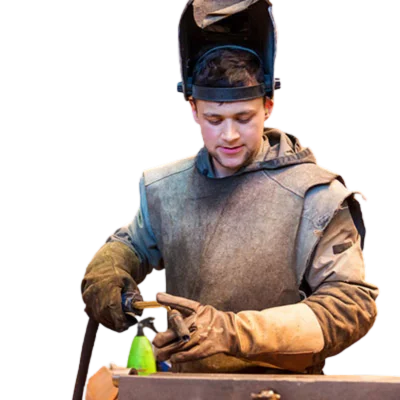
Alexander Stelzner
Founder & CEO, Manufaktur X
Alexander Stelzner is an expert in custom-made steel-glass constructions and solid wood furniture. With years of experience in design and manufacturing, he leads Manufaktur X – where every piece is individually crafted to order in the EU.