The Revolution in European Home Design: What 2025 Brings
European homes are experiencing a dramatic transformation as we approach 2025. The evolution extends far beyond mere aesthetic updates – it's reshaping how we conceptualize living spaces entirely. Modern homeowners across Europe now demand environments that seamlessly blend functionality with personal expression, creating spaces that truly reflect contemporary lifestyle needs.
Smart Technology Integration: Invisible Yet Intelligent
The future of home automation lies in its invisibility. European homes in 2025 prioritize technology that works behind the scenes, eliminating visual clutter while maximizing convenience. Advanced lighting systems automatically adjust to natural rhythms, while climate control anticipates occupancy patterns.
Key technological advances include:
- Voice-controlled environmental systems integrated into walls
- Acoustic solutions embedded within furniture pieces
- Automated window systems managing privacy and natural light
- Predictive climate management based on weather patterns and usage
Flexible Living: Adaptable Spaces for Modern Life
European living trends emphasize spatial flexibility above all else. Traditional rigid room divisions are giving way to fluid, multi-purpose environments. A single space might serve as morning workspace, afternoon relaxation area, and evening entertainment zone.
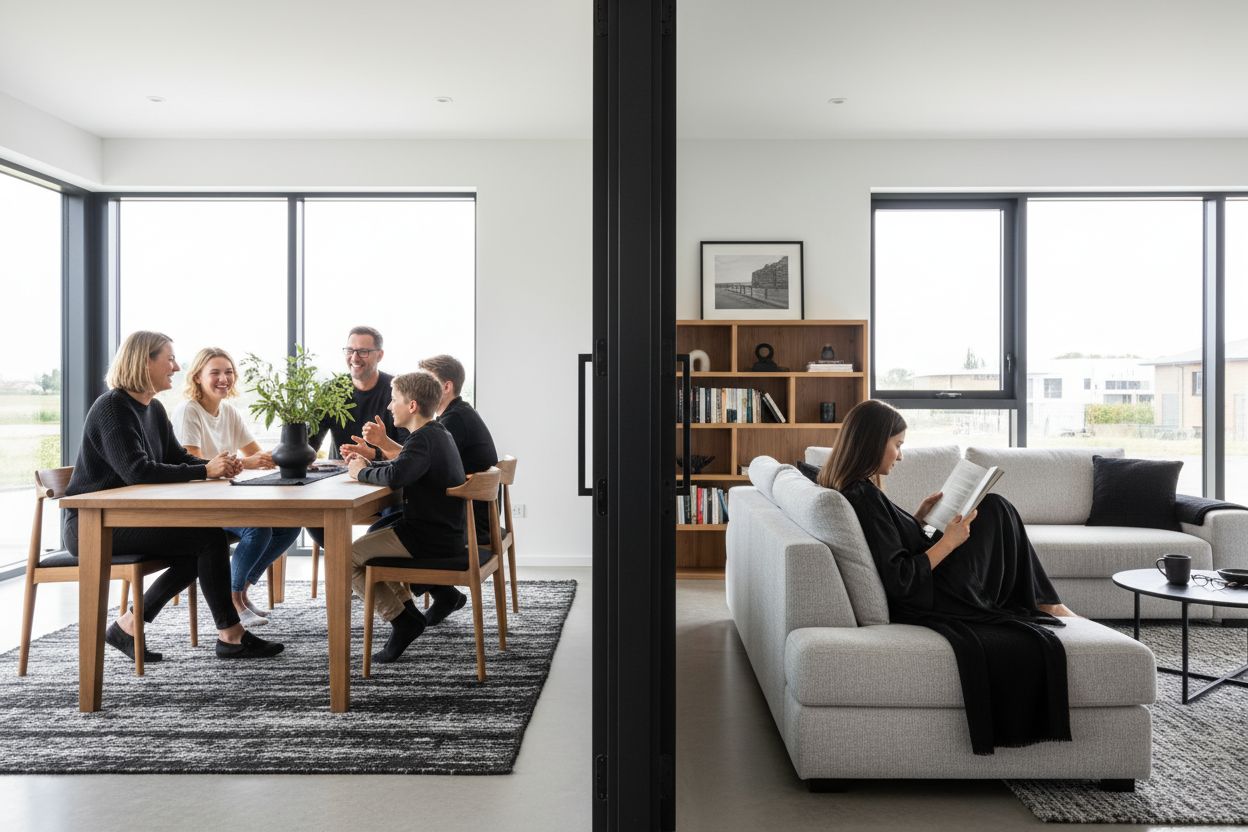
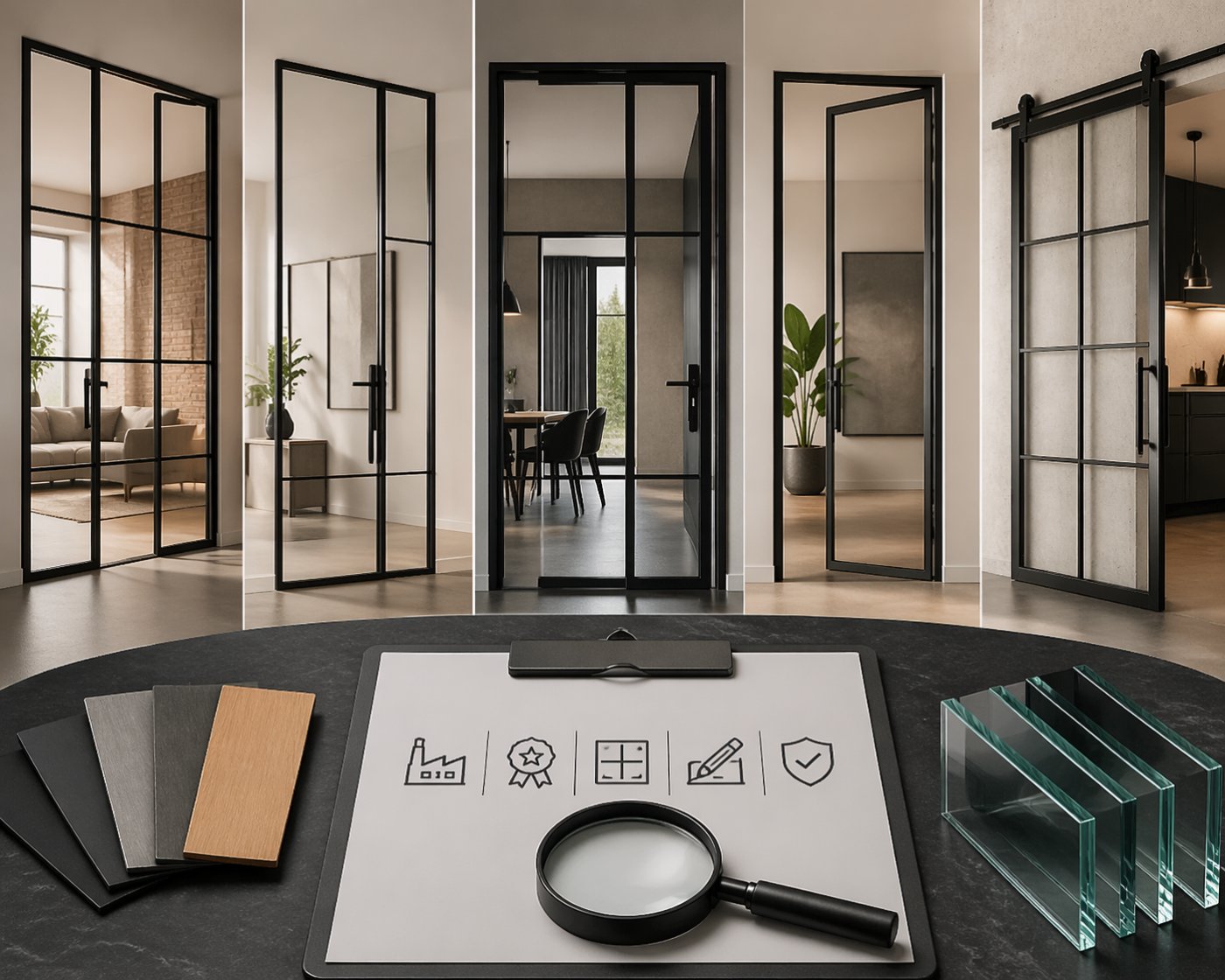
This transformation relies heavily on intelligent room division solutions. Modern loft doors have become essential elements, providing visual separation while maintaining spatial flow. These custom-made solutions allow homeowners to create temporary privacy zones without sacrificing the open-plan aesthetic that Europeans increasingly prefer.
Creating Zones Through Design Elements
Rather than constructing permanent walls, European designers use strategic zoning techniques. Different flooring materials, color variations, and height changes define functional areas. This approach maintains architectural openness while establishing clear purpose for each zone.
Sustainable Materials: The New Standard
Environmental consciousness has moved from niche interest to mainstream requirement across European homes. 2025 sees sustainable materials becoming the default choice rather than premium alternatives.
Popular eco-friendly options include:
- Ocean-recovered plastic transformed into durable furniture
- Rapidly renewable bamboo and cork flooring
- VOC-free paints improving indoor air quality
- Restored vintage pieces replacing mass-produced items
ManufakturX exemplifies this sustainable approach, crafting dining tables and custom furniture from responsibly sourced materials with longevity in mind.
Industrial Aesthetics Meet Comfort
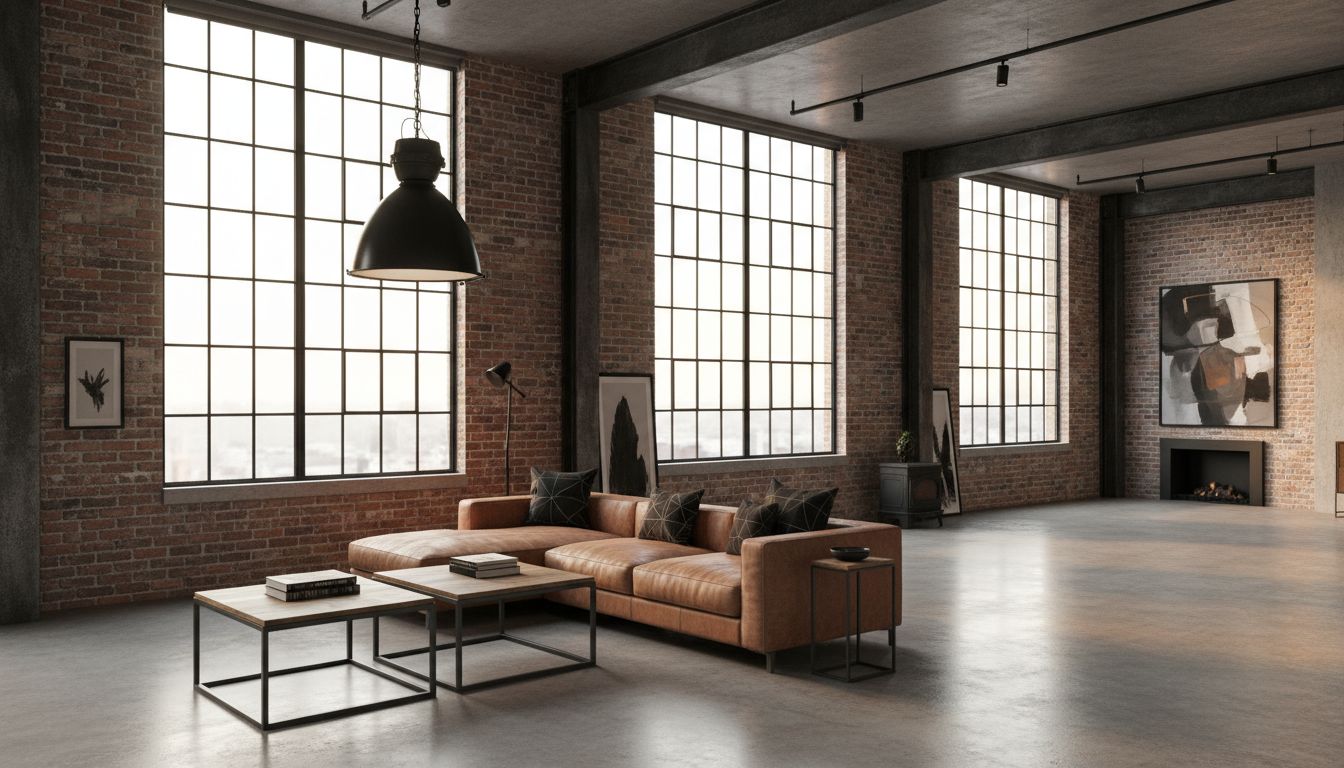
The industrial design movement continues evolving, becoming softer and more liveable. Raw concrete surfaces pair with plush textiles, while metal frames complement natural wood elements. This balanced approach creates character-rich spaces that feel both sophisticated and welcoming.
Steel frame furniture with powder coating finishes provides the industrial aesthetic while offering superior durability. The powder coating process delivers scratch-resistant surfaces with consistent color distribution, making these pieces ideal for high-traffic European homes.
Biophilic Design: Nature as Interior Architecture
Plants have transcended decorative roles to become structural elements in European interiors. Vertical gardens create living walls, while large-scale indoor plants serve as natural room dividers. This integration reflects growing understanding of nature's positive impact on mental wellbeing.
Architectural elements support this trend through:
- Oversized windows maximizing natural light penetration
- Seamless indoor-outdoor transitions
- Natural material palettes in earth tones
- Organic shapes replacing angular geometries
Personalization Over Mass Production
European consumers increasingly reject standardized solutions in favor of customized pieces that reflect individual personalities. This shift drives demand for room dividers and furniture that can be precisely configured to match specific requirements.
The 3D configurator technology enables homeowners to visualize custom pieces before production, ensuring perfect integration with existing spaces. This approach reduces waste while guaranteeing satisfaction with the final result.
The 5-6 Week Custom Advantage
Modern European manufacturing capabilities allow custom furniture production within 5-6 weeks, making bespoke pieces accessible for typical home renovation timelines. This rapid turnaround eliminates the traditional choice between speed and customization.
Enhanced Minimalism: Quality Over Quantity
The minimalist movement has matured into a more nuanced philosophy emphasizing carefully selected, high-quality pieces over sparse emptiness. European homes feature fewer items, but each piece serves multiple functions or provides exceptional aesthetic value.
This evolution prioritizes:
- Timeless designs that transcend seasonal trends
- Multi-functional furniture maximizing utility
- Investment-grade pieces with extended lifespans
- Conscious consumption reducing environmental impact
Community-Centered Living Spaces
Post-pandemic European homes prioritize spaces that facilitate genuine human connection. Kitchen islands expand to accommodate collaborative cooking and casual dining. Benches and communal seating arrangements encourage group interaction.
Outdoor spaces receive equal attention, transforming into fully functional exterior rooms with weather-resistant furniture and integrated cooking facilities. The boundary between indoor and outdoor living continues blurring throughout Europe.
Acoustic Comfort in Open Environments
Open-plan living requires sophisticated acoustic management. European designers integrate sound-absorbing materials into decorative elements, using textiles, specialized panels, and even strategic plant placement to control noise levels.
Custom loft door solutions provide acoustic separation when needed while maintaining visual openness. This flexibility proves essential for homes accommodating remote work alongside family activities.
Natural Color Palettes and Organic Forms
Color trends lean heavily toward earth tones, sage greens, and warm sand colors that create calming environments. These natural palettes complement the biophilic design movement while providing timeless appeal that won't require frequent updates.
Furniture design embraces curved lines and organic shapes, moving away from stark angular forms. This softening creates more inviting, human-scaled environments that feel comfortable for extended occupancy.
Circular Design Philosophy
European furniture design increasingly considers entire product lifecycles from initial concept through eventual recycling. Modular construction allows easy repair and reconfiguration, while material selection prioritizes recyclable components.
This approach extends product lifespans while reducing environmental impact. Custom furniture pieces designed with disassembly in mind ensure materials can be efficiently reclaimed when replacement becomes necessary.
Lighting as Sculptural Element
Illumination transcends pure functionality to become artistic expression. Statement lighting pieces serve as sculptural focal points even when not operating. Smart lighting systems create ambiance through programmable scenes that adapt to daily rhythms and seasonal changes.
Indirect lighting techniques using LED strips and hidden sources create atmospheric effects without visible fixtures. This approach supports the clean, uncluttered aesthetic that European homeowners increasingly prefer.
The Made in EU Advantage
European consumers show growing preference for locally manufactured furniture that supports regional economies while ensuring quality standards. Made in EU production provides supply chain transparency and reduces transportation environmental impact.
This trend favors manufacturers who can demonstrate sustainable practices alongside superior craftsmanship. The combination of environmental responsibility and quality construction appeals to value-conscious European buyers.
Creating Your 2025-Ready Home
Transforming your living space to embrace these emerging trends requires strategic planning and quality partnerships. Focus on flexible solutions that adapt to changing needs while maintaining timeless aesthetic appeal.
Consider starting with key pieces like room dividers that can reshape your space functionality, or coffee tables that anchor your social areas. Each custom piece should serve multiple purposes while reflecting your personal style preferences.
The European home design revolution of 2025 centers on creating spaces that genuinely enhance daily life through thoughtful material choices, flexible functionality, and sustainable practices. Your home becomes not just shelter, but a carefully crafted environment supporting your lifestyle ambitions and values.