The Foundation of Unified Interior Design
Creating a home that feels like more than just assembled rooms requires understanding the principles of cohesive design. Rather than decorating each space in isolation, successful interior design connects every area through thoughtful planning and strategic choices.
The key lies in balancing functionality with personal expression while maintaining visual continuity throughout your home. This approach transforms separate spaces into a harmonious living environment that reflects your unique lifestyle.
Understanding Your Living Patterns First
Before selecting furniture or choosing color schemes, examine how you actually use your home:
- Which activities happen in each area throughout the day?
- How do you and your family move between rooms?
- What are your priorities for comfort versus aesthetics?
- Which spaces need flexibility for changing needs?
These insights become the blueprint for design decisions that serve your real needs rather than following temporary trends. When your home works with your habits, every design choice feels natural and sustainable.
Creating Seamless Connections Between Spaces
The most successful home designs eliminate abrupt transitions between areas. Instead of treating each room as a separate entity, consider how spaces can flow into one another while maintaining their distinct functions.
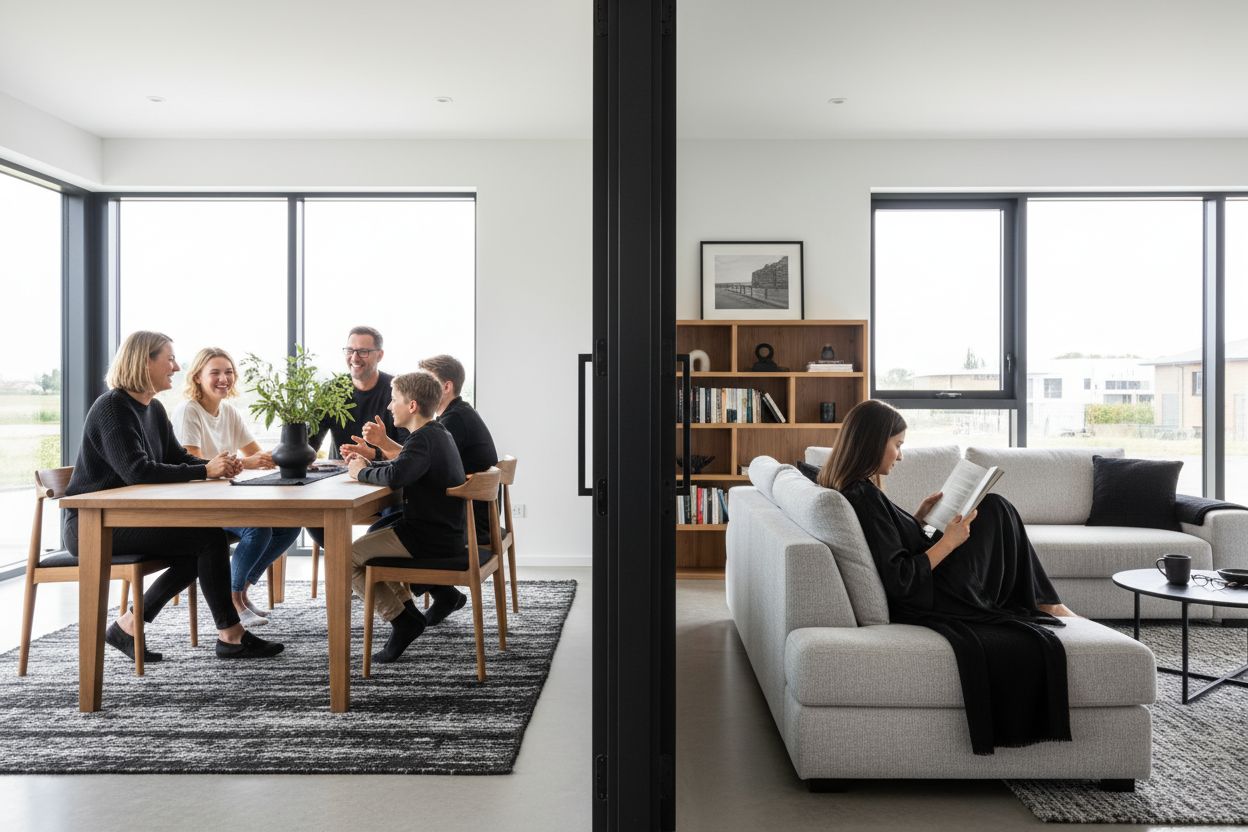
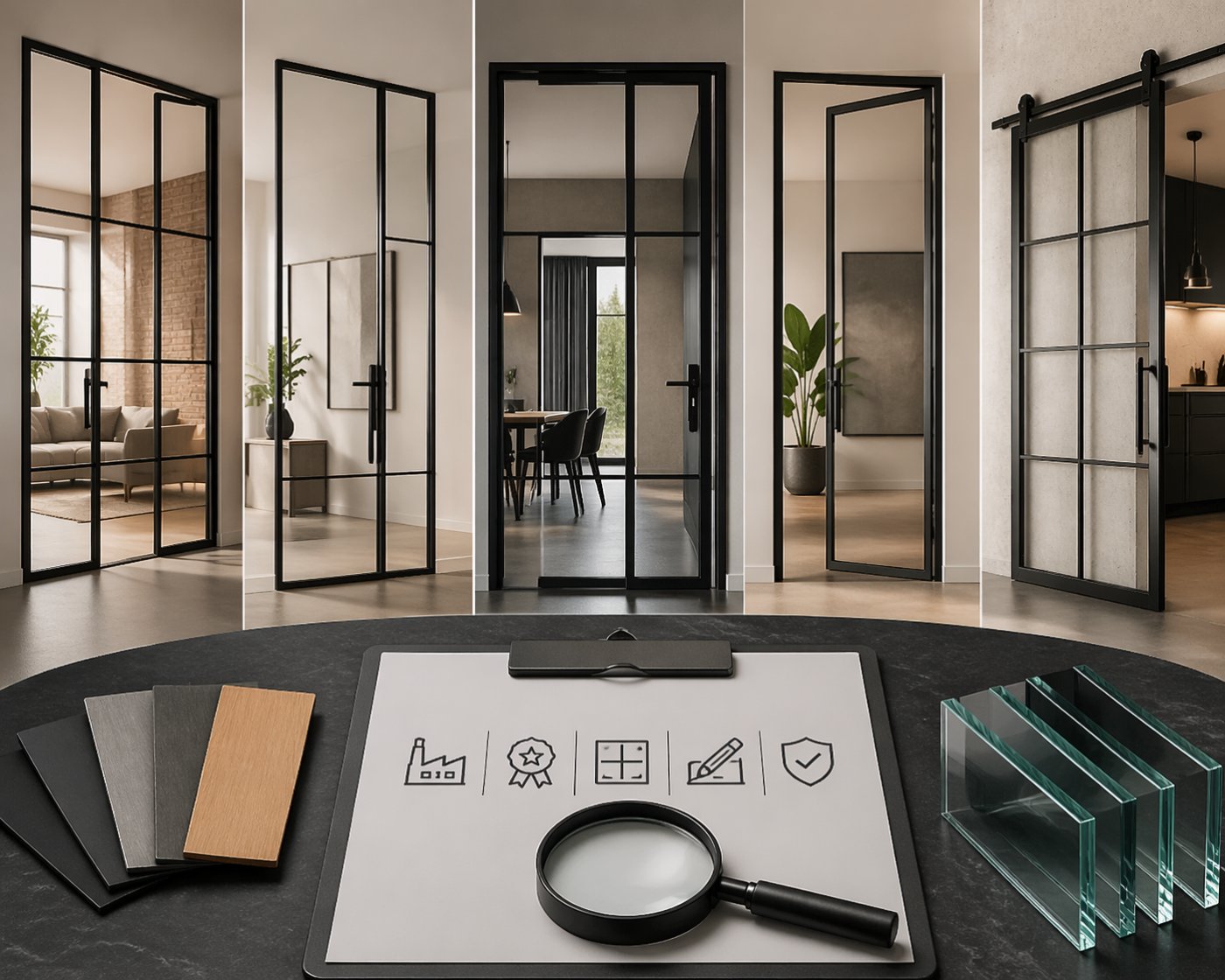
Strategic room division makes an enormous difference here. Traditional solid doors can create harsh separations that interrupt the visual flow. Modern loft doors with glass panels offer an elegant solution, providing necessary separation while allowing light and visual connection between spaces.
These thoughtfully designed barriers help maintain the sense of openness that characterizes contemporary living while preserving privacy when needed. The result feels intentional rather than compartmentalized.
Building Your Visual Identity Through Materials
Consistency in materials and finishes creates the invisible thread that ties your home together. This doesn't mean everything must match exactly, but recurring elements should appear throughout your spaces:
Color Harmony
Select a primary palette of 2-3 colors plus one accent color that appears in every room. Vary the intensity and application, but maintain this consistent foundation.
Texture Consistency
Choose wood tones, metal finishes, and fabric textures that complement each other across different areas. A warm oak dining table should harmonize with oak-framed glass partitions elsewhere in your home.
Style Elements
Identify signature shapes, patterns, or design details that can repeat subtly throughout your space without becoming monotonous.
The Role of Light in Unified Design
Lighting often gets overlooked in home planning, yet it's crucial for creating atmosphere and connecting spaces visually. A comprehensive lighting strategy considers:
- Natural light flow through windows and glass elements
- Ambient lighting for general illumination
- Task lighting for specific activities
- Accent lighting to highlight design features
Glass elements in doors and room dividers become particularly valuable here, allowing daylight to penetrate deeper into your home and creating visual connections between areas even when they're functionally separated.
The Value of Custom Solutions
Standard furniture and fixtures rarely align perfectly with your specific space and vision. For truly cohesive design, strategic custom pieces make the difference between a home that feels "almost right" and one that feels perfectly tailored.
Consider how a custom dining table sized exactly for your space and finished to match your design scheme integrates seamlessly into your overall concept. Or how custom shelving can be designed to complement your room dividers and maintain consistent proportions throughout your home.
At ManufakturX, our 3D configurator allows you to see exactly how custom pieces will look in your space before ordering, ensuring they contribute perfectly to your unified design vision.
Flexible Spaces for Modern Living
Today's homes need adaptability. Work-from-home requirements, changing family situations, and evolving lifestyle needs demand spaces that can transform when necessary.
Smart room division becomes essential here. A home office that can become a guest room, or a dining area that doubles as a workspace, requires thoughtful planning of sight lines, storage, and transitions.
Glass-paneled room dividers excel in these situations, providing visual separation for focus while maintaining the open feeling essential to small or multi-purpose spaces.
Engaging All Your Senses
Truly successful home design goes beyond the visual. Consider the complete sensory experience:
- Tactile variety through different textures and materials
- Acoustic comfort through sound-absorbing elements
- Natural scents from plants or quality materials
- Temperature and air quality through thoughtful ventilation
Each element contributes to how your home feels, not just how it looks. This holistic approach creates spaces that are genuinely comfortable and personally meaningful.
Practical Implementation Strategy
Transforming your entire home at once isn't realistic for most people. Instead, approach your project systematically:
- Establish your core design concept and material palette
- Implement structural changes first (room dividers, major furniture)
- Add supporting furniture pieces that reinforce your theme
- Layer in accessories and personal touches gradually
This phased approach allows you to refine your vision as you go while spreading costs over time. Each phase should strengthen your overall concept rather than adding conflicting elements.
Avoiding Common Design Pitfalls
Several mistakes can undermine your unified design efforts:
- Mixing too many style periods without a unifying thread
- Following trends that don't suit your lifestyle or space
- Prioritizing appearance over functionality (or vice versa)
- Neglecting the importance of proper proportions
- Forgetting to include adequate storage solutions
Remember that your home should reflect your personality and needs, not someone else's idea of perfection.
Sustainability in Long-Term Design
A truly cohesive design considers longevity. Choose elements that will remain relevant and beautiful for years to come:
- Quality materials that age gracefully
- Timeless proportions and forms
- Modular systems that can evolve with your needs
- Energy-efficient lighting and systems
This approach not only reduces environmental impact but also protects your investment by minimizing the need for frequent updates.
Budget-Smart Unified Design
Creating cohesive design doesn't require unlimited resources. Focus your budget strategically:
High-Impact Investments
Prioritize pieces that affect multiple areas or serve as focal points. A beautifully designed room divider or custom dining table influences your entire space's feeling.
Smart Savings
Mix custom key pieces with carefully selected standard items. A custom coffee table might anchor your living room while complementary accessories come from various sources.
Timeline Flexibility
Plan your ideal end result, then implement it in phases as budget allows. Consistent planning ensures each addition strengthens your overall vision.
Making Your Vision Reality
The most beautiful design concepts remain theoretical without proper execution. Start with a clear vision, then break it down into manageable steps.
Consider using professional consultation for key decisions, especially regarding custom pieces that will anchor your design. Getting proportions and materials right from the beginning saves money and frustration later.
Your home should tell your story through every carefully chosen element. With thoughtful planning and strategic investment in quality pieces, you can create a space that feels unified, functional, and uniquely yours.