The Foundation of Exceptional Interior Design
Have you ever walked into a space and immediately felt something was off? Perhaps the furniture seemed disconnected, or the room lacked that indefinable sense of harmony. Outstanding interior design doesn't happen by accident – it emerges from strategic thinking and methodical planning that considers every element before the first purchase is made.
The difference between a room that feels complete and one that seems haphazard lies in the planning phase. When you invest time in understanding your space, defining your needs, and creating a cohesive vision, you avoid costly mistakes and achieve results that truly enhance your daily life.
Essential Elements of Strategic Space Planning
Successful interior design requires a systematic approach that addresses multiple factors simultaneously. Before selecting a single piece of furniture or choosing paint colors, establish these fundamental elements:
Space Assessment: Document precise measurements of your room, including ceiling height, window placement, and existing architectural features. This data becomes your blueprint for all future decisions.
Functional Requirements: Analyze how you actually use the space. Will this room serve multiple purposes? Do you need storage solutions? How many people will regularly occupy the area?
Aesthetic Vision: Identify the mood and atmosphere you want to create. Collect inspiration images that resonate with your personal style while considering the room's architectural context.
Investment Planning: Establish a realistic budget that prioritizes quality over quantity. Better to invest in fewer, well-chosen pieces than to compromise with multiple mediocre items.
Mastering Natural Light Integration
Light shapes perception more dramatically than any other design element. The orientation of your windows determines color temperature, shadows, and the optimal placement of key furniture pieces throughout different times of day.
Eastern exposure delivers energizing morning brightness, perfect for breakfast areas or home offices. Western light creates dramatic evening ambiance but can cause afternoon glare. Northern exposure provides consistent, cool illumination ideal for art studios, while southern light offers warm, intense brightness that enhances rich color palettes.
Plan your color scheme and furniture arrangement around these natural light patterns rather than fighting against them.
Creating Functional Zones in Multi-Purpose Rooms
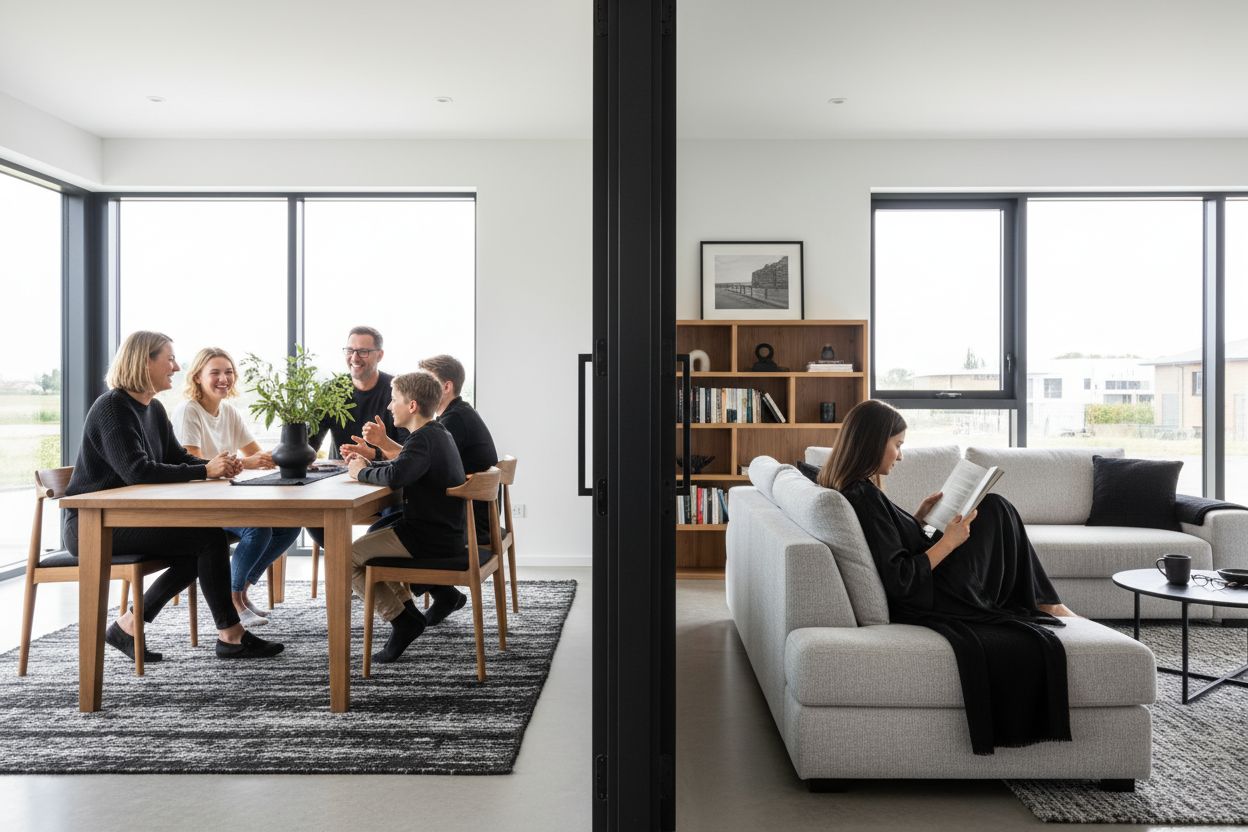
Modern living often requires spaces to serve multiple functions. The key to successful multi-use rooms lies in creating distinct zones that feel intentional rather than cramped or confused.
Visual separation doesn't require physical walls. Strategic furniture placement, varied lighting schemes, and subtle material changes can define different areas while maintaining spatial flow. Consider these zoning techniques:
- Area rugs that anchor specific activity zones
- Lighting variations that create intimate or energizing atmospheres
- Strategic furniture orientation that naturally guides traffic patterns
- Color variations that subtly differentiate functional areas
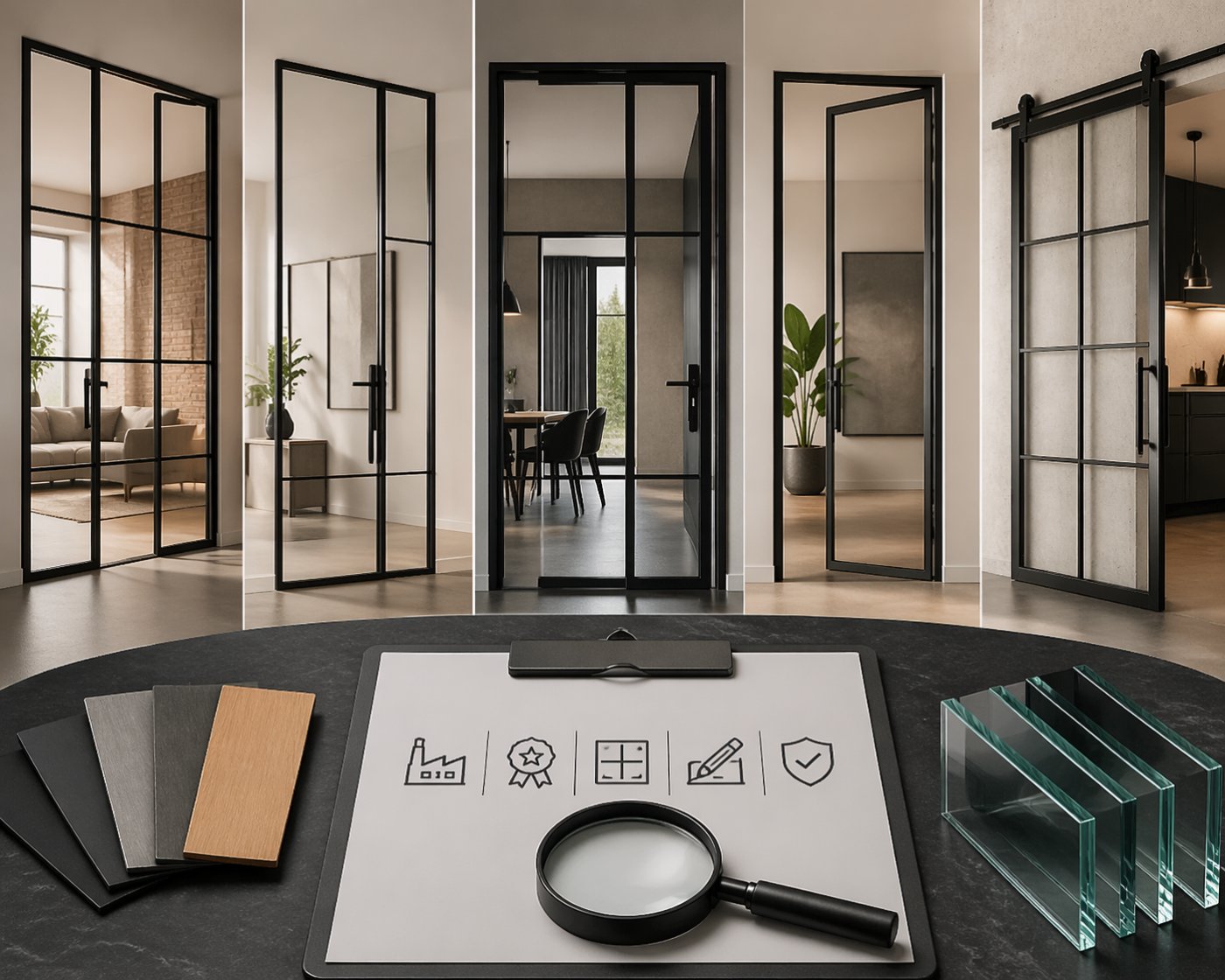
For elegant space division that maintains openness, custom loft doors offer an ideal solution. These transparent barriers create visual separation while preserving natural light flow and spatial continuity.
The Psychology of Proportional Harmony
Professional designers rely on proportional relationships that create subconscious comfort. The most effective approach follows the 60-30-10 rule: establish one dominant element (typically walls or flooring) comprising 60% of the visual impact, support it with secondary elements at 30%, and accent with bold details at 10%.
This proportional balance prevents visual chaos while ensuring sufficient variety to maintain interest. Avoid overwhelming spaces with too many competing elements of similar visual weight.
Material Selection for Longevity and Style
Your material choices determine both the immediate aesthetic impact and the long-term satisfaction of your design investment. Prioritize materials that age gracefully and maintain their appeal over time.
Natural materials like solid wood offer timeless appeal and develop character through use. When combined with contemporary elements such as powder-coated steel frames, they create sophisticated contrasts that feel both classic and current.
ManufakturX specializes in creating custom furniture pieces that combine these premium materials with precise craftsmanship. Each piece is made in the EU with a production time of 5-6 weeks, ensuring quality control and sustainable manufacturing practices.
Acoustic Considerations in Design Planning
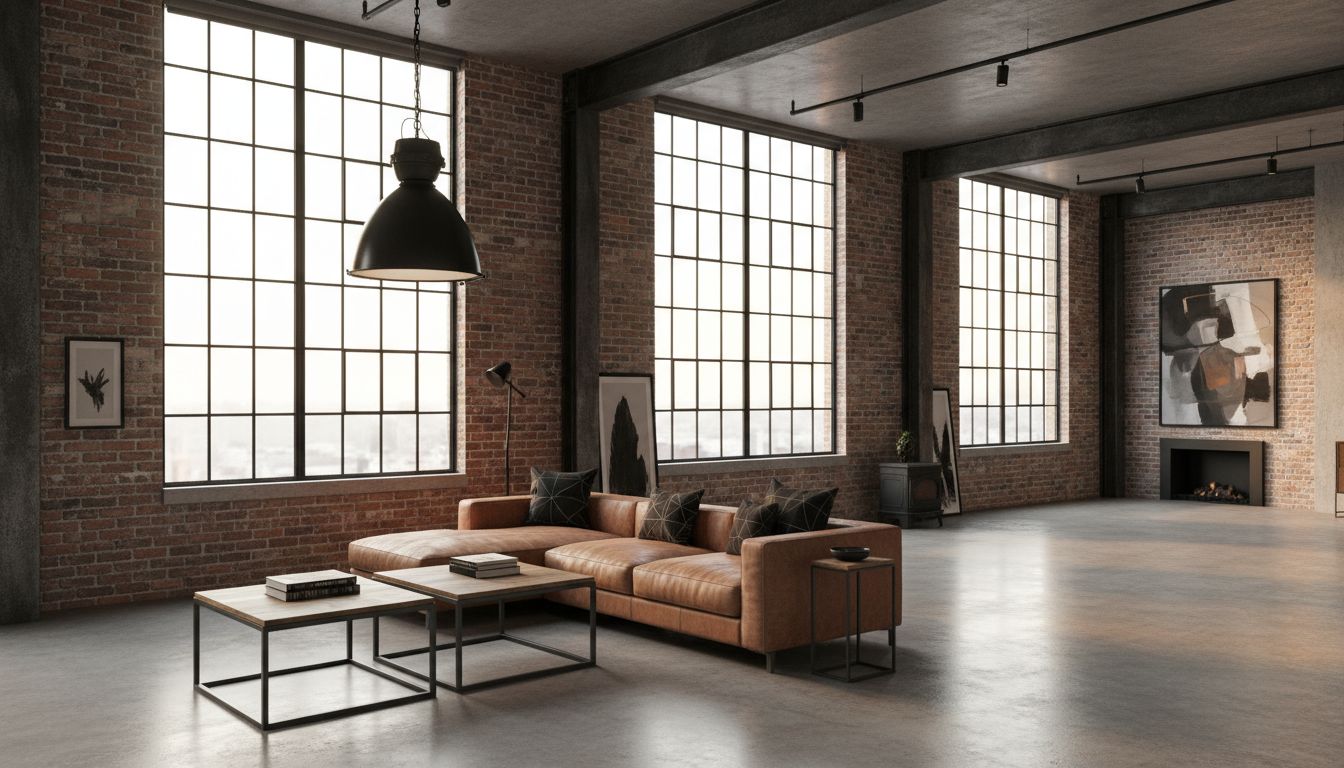
Sound quality significantly impacts comfort levels, yet acoustic planning is often overlooked during the design phase. Hard surfaces like glass, concrete, and metal create echo and can make spaces feel cold or institutional.
Incorporate sound-absorbing elements strategically: upholstered furniture, area rugs, curtains, and even bookshelves filled with volumes help control reverberation. Plants also contribute to acoustic comfort while adding natural elements that enhance air quality.
Flexibility and Future-Proofing Your Design
Life circumstances evolve, and exceptional interior design anticipates these changes. Rather than creating static arrangements, plan for adaptability through modular systems, multi-functional furniture, and layouts that can be reconfigured as needs change.
Consider how spaces might need to transform: will a home office eventually become a nursery? Could a formal dining room serve as a workspace? Building flexibility into your initial planning prevents costly redesigns later.
Custom solutions like room dividers and dining tables can be designed to accommodate changing needs while maintaining design cohesion.
Digital Tools for Professional Planning
Modern technology democratizes professional-level design planning. Three-dimensional visualization tools allow you to experiment with layouts, test color combinations, and visualize proportional relationships before making purchases.
These digital platforms help identify potential issues early in the planning process, saving both money and frustration. Use them to create multiple layout options and compare their effectiveness.
Seasonal Adaptability in Interior Design
Exceptional interiors can evolve with the seasons without requiring major renovations. Plan your foundational elements – furniture, lighting, and architectural features – to serve as a neutral canvas for seasonal accents.
Summer transformations might emphasize lighter textiles, increased natural light access, and cooling color palettes. Winter adjustments can introduce warmer textures, layered lighting, and cozy elements that create intimate atmospheres.
This seasonal flexibility keeps your space feeling fresh and responsive to your changing moods and needs throughout the year.
Common Planning Pitfalls to Avoid
Even well-intentioned planning can go astray. These frequent mistakes can undermine otherwise thoughtful design efforts:
- Inadequate traffic flow planning – ensure clear pathways between functional areas
- Insufficient lighting diversity – plan for ambient, task, and accent lighting
- Scale misjudgments – furniture should relate proportionally to room dimensions
- Storage underestimation – plan for both visible and concealed storage needs
- Trend over-reliance – prioritize timeless elements with trendy accents
From Planning to Implementation
The transition from planning to execution requires careful coordination and patience. Quality custom pieces require time for proper construction – typically 5-6 weeks for bespoke furniture – but this investment in time ensures precision and durability.
Phased implementation often works better than attempting complete room transformations simultaneously. Start with foundational elements like major furniture pieces and architectural features, then layer in accessories and refinements over time.
Strategic interior design planning creates spaces that enhance daily life while reflecting personal style. When every element serves both functional and aesthetic purposes, your home becomes a true sanctuary that supports and inspires your best life.